Height
Taller walls hold more soil and need more behind them. Over four feet, roughly 1.2 metres, you almost always need a permit and an engineer too.
Learn more →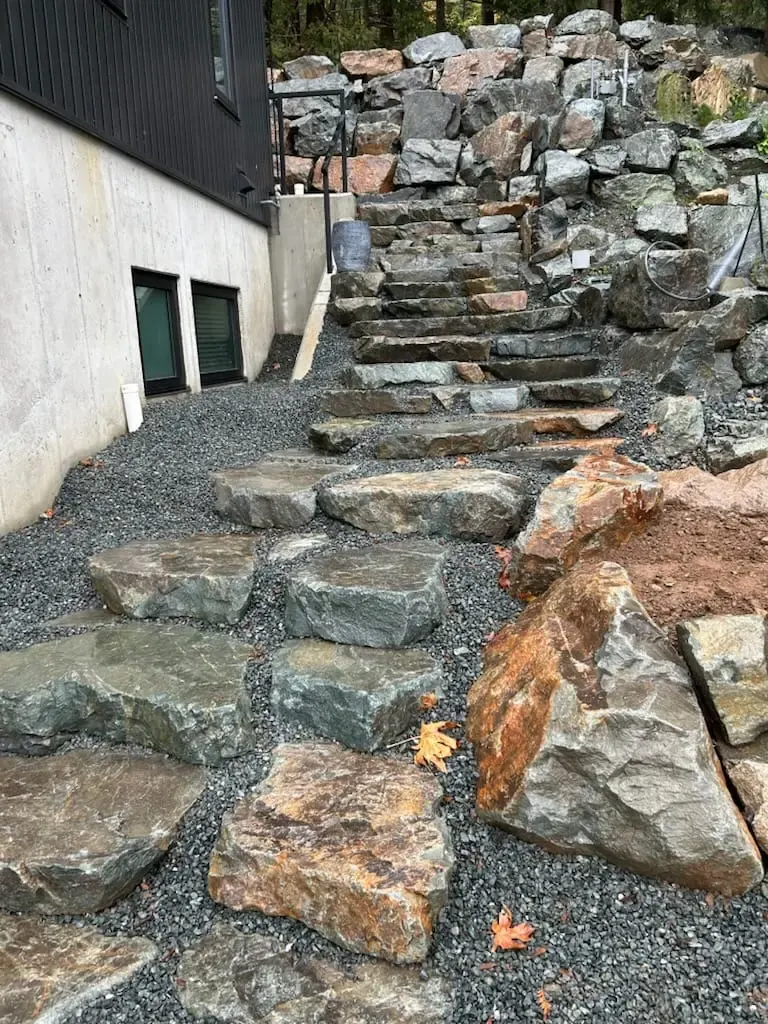
Most of the retaining walls we build run between $25,000 and $80,000. The smallest jobs start around $2,500. Here is what moves your wall up or down that range.
Length matters less than most people expect. These four things decide where your wall lands.
Taller walls hold more soil and need more behind them. Over four feet, roughly 1.2 metres, you almost always need a permit and an engineer too.
Learn more →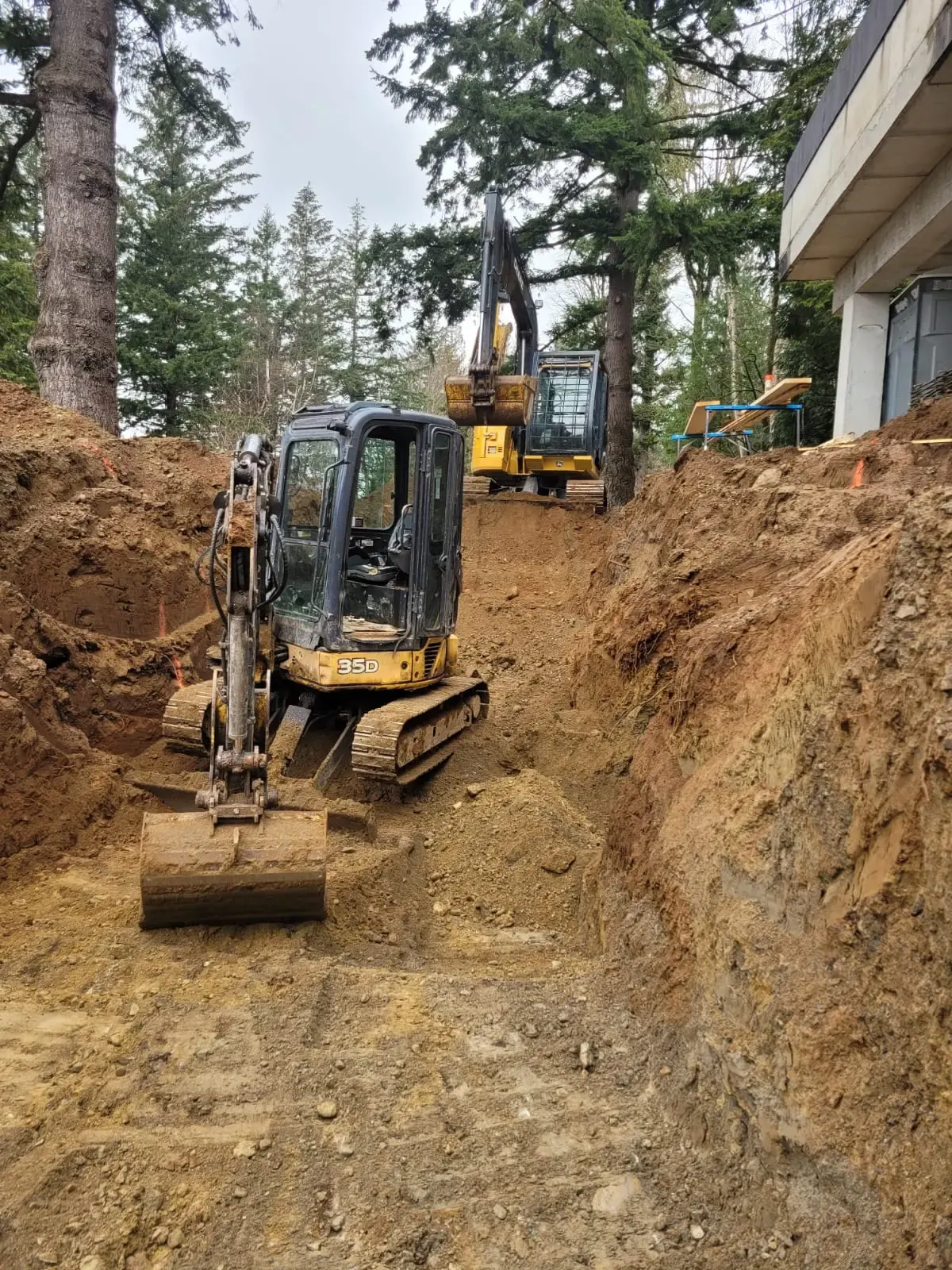
An open lot is quick work. A back yard reached through a gate takes a smaller machine and more hours.
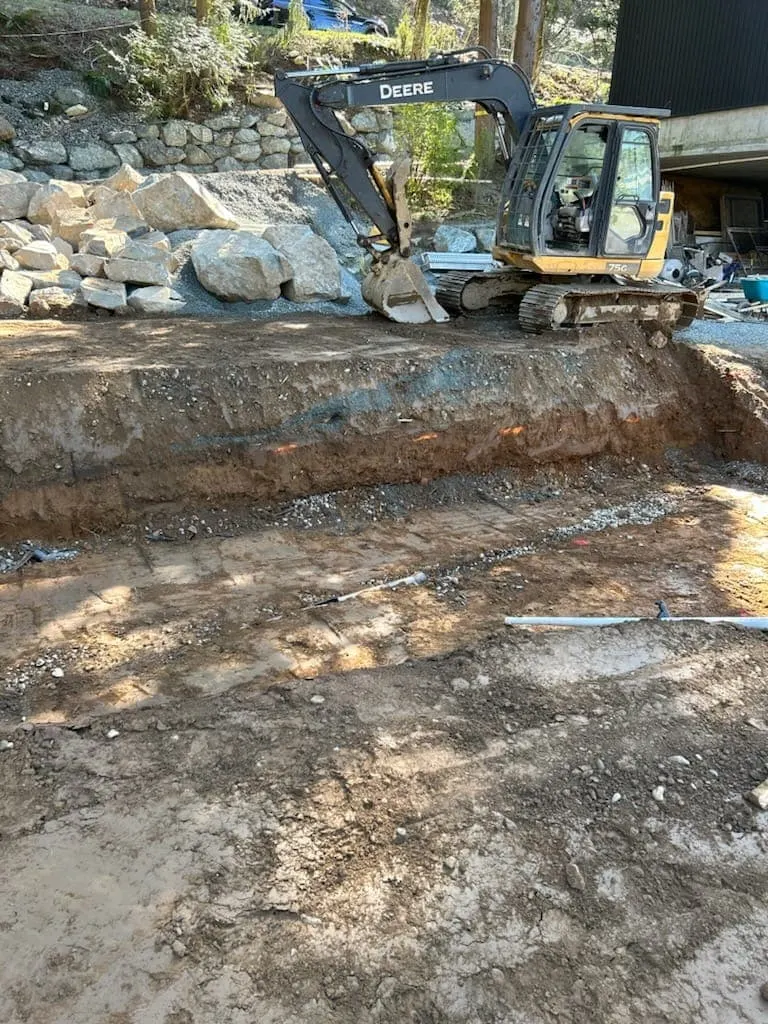
Soil comes out, a compacted base and drain rock go in. On clay lots the spoil gets hauled away. This is most of the job.
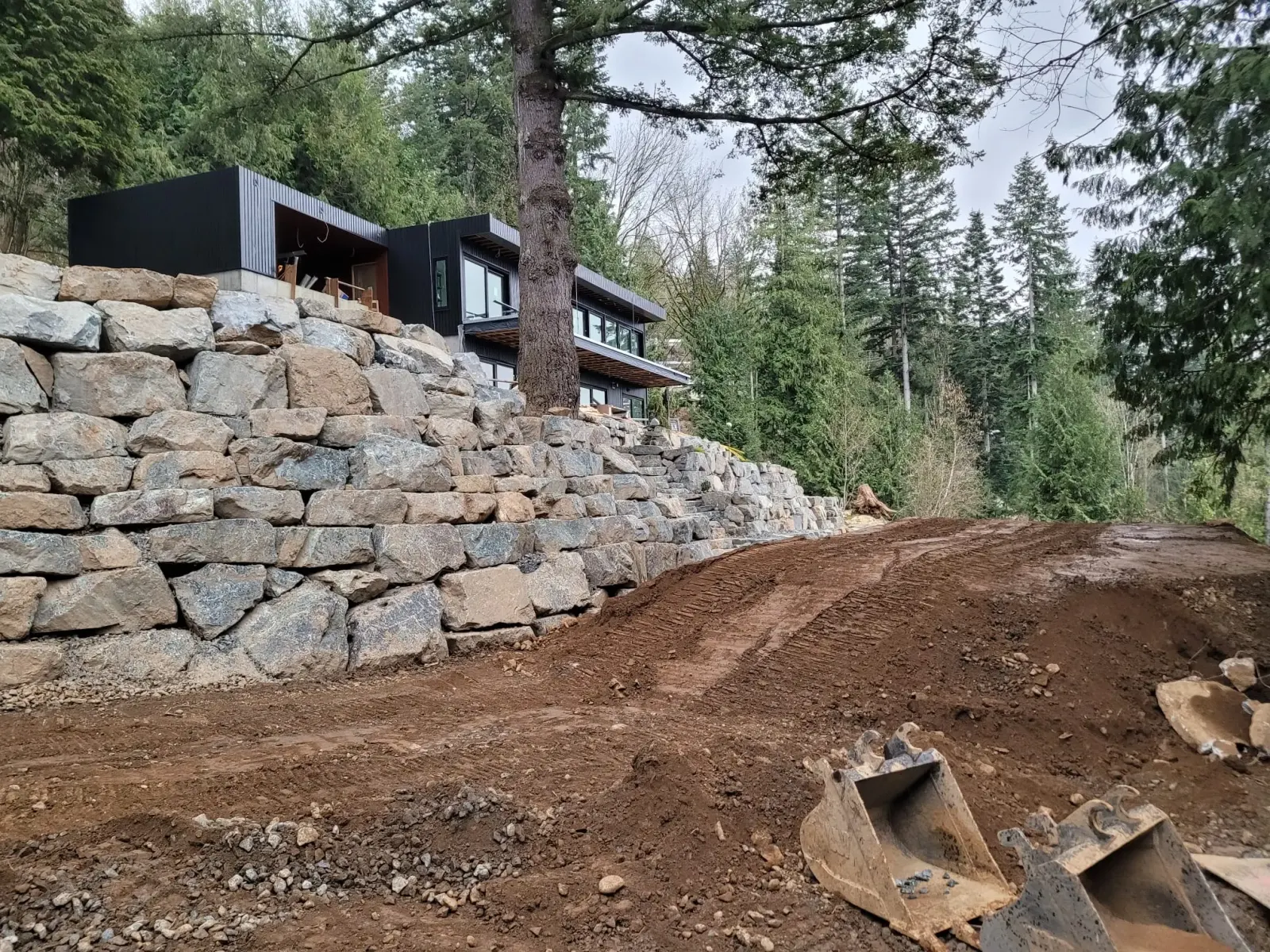
Replacing a rotted timber wall means removing it first. A sound rock or block wall can often be rebuilt with its own material, which saves money.
Learn more →A three foot garden wall on an open lot and a five foot wall at the back of a fenced yard can both be 50 feet long. One needs a permit, an engineer and a mini excavator working through a gate. The other does not.
That is why we come out and look before we put a number on it. You get a quote with the full scope, so you know exactly what you are paying for.
One visit. One quote. No surprises.
Three steps from the first call to a number you can plan around.
Tell us about the slope or the wall you want, and we will set up a time to come out.
We measure the height, check the access and the ground, then you get a quote with the full scope.
One crew takes the job from the first dig to the final backfill and cleanup.
A retaining wall price reflects five factors: height, access, the ground behind the wall, the drainage zone and the facing material. Length changes the total least of the five. Height decides whether a permit and an engineered design apply, access decides which machine works the site and for how long, and the ground decides how much soil leaves and how much clear rock arrives. Fraser Valley Contracting's smallest wall jobs start around $2,500, and most of its retaining wall projects run between $25,000 and $80,000.
Height drives retaining wall cost harder than any other dimension, because soil pressure on a wall grows with height and the structure grows to match it.
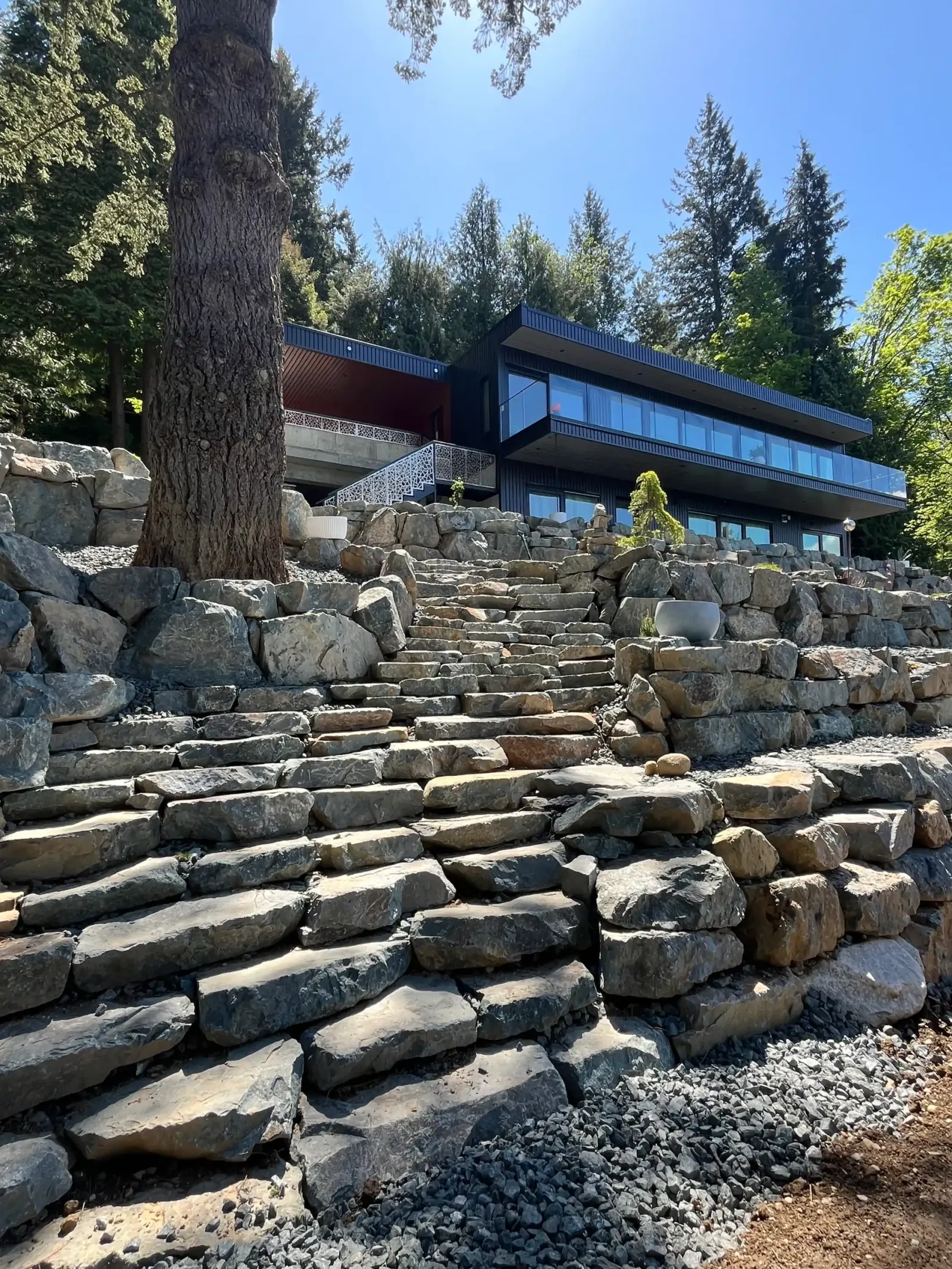
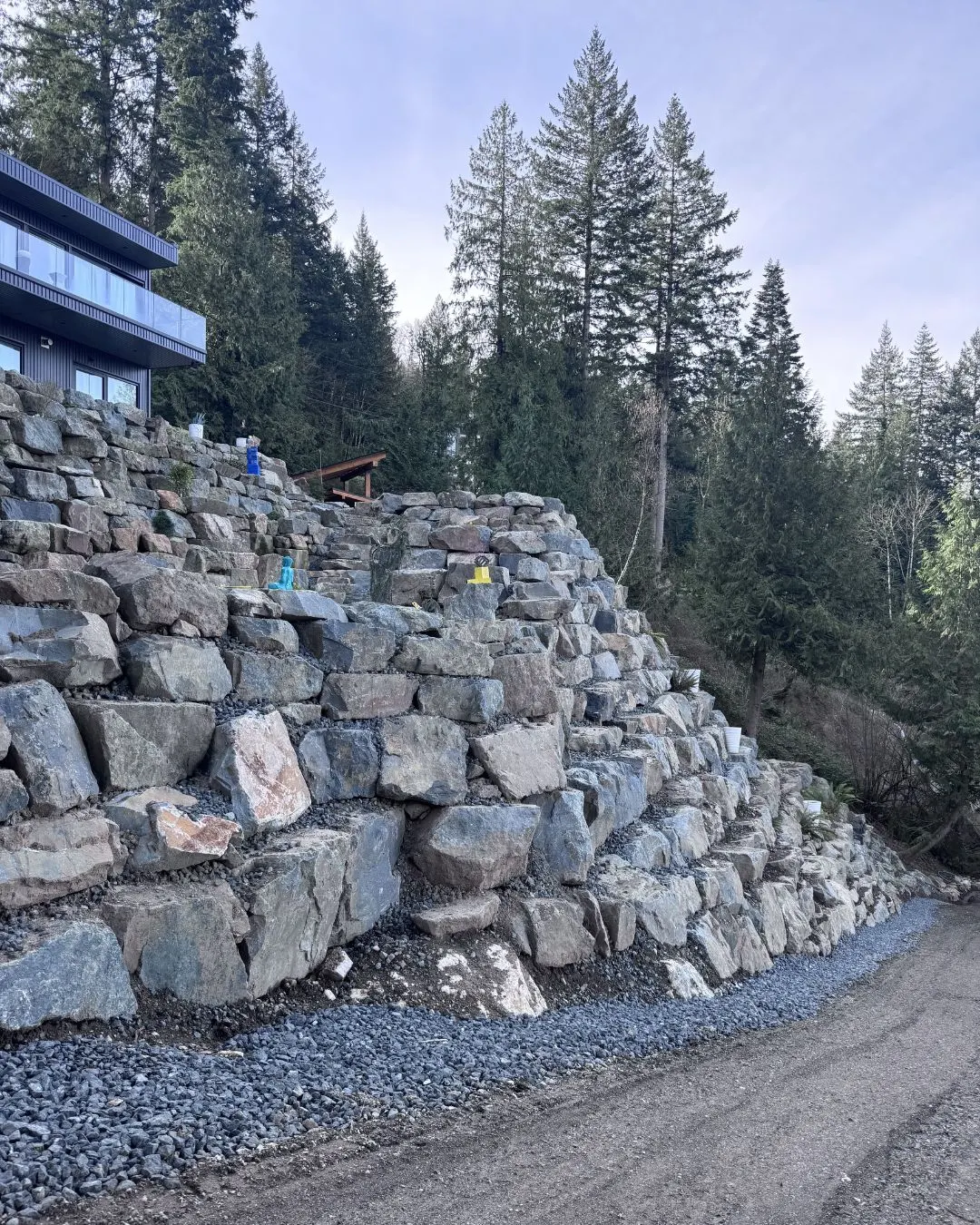
The 60 foot wall on Chilliwack Mountain sits at the far end of this scale: engineered, permitted, and dug ten feet into the hillside before the first rock went in.
Access determines the machine, and the machine determines the hours. An open lot takes a full size excavator that places rock and moves spoil quickly. A back yard reached only through a garden gate takes a mini excavator, which moves less material per hour and extends the schedule.
Haul distance adds time on every load of rock in and every load of spoil out. A finished lawn between the street and the wall needs protecting, and a steep lot with no staging space forces material to arrive in smaller deliveries. None of these appear on the face of the finished wall, and all of them appear in the price.
Excavation volume sets a large share of the scope. A wall holds back soil, so the ground behind it comes out, the base goes in, and the zone behind the face gets rebuilt with drainage material.
Drainage accounts for real cost and decides service life. Water causes most retaining wall failures, so a correctly built wall includes a compacted base, clear drain rock and perforated pipe behind the face, an outlet run to daylight, and backfill placed in lifts rather than dumped in.
On the Chilliwack Mountain wall the specification ran to two feet of gravel under the base and three inch clear crushed rock behind the face. A garden wall needs far less, but the principle holds at every height: water behind a wall needs a path out, and building that path is part of the price.
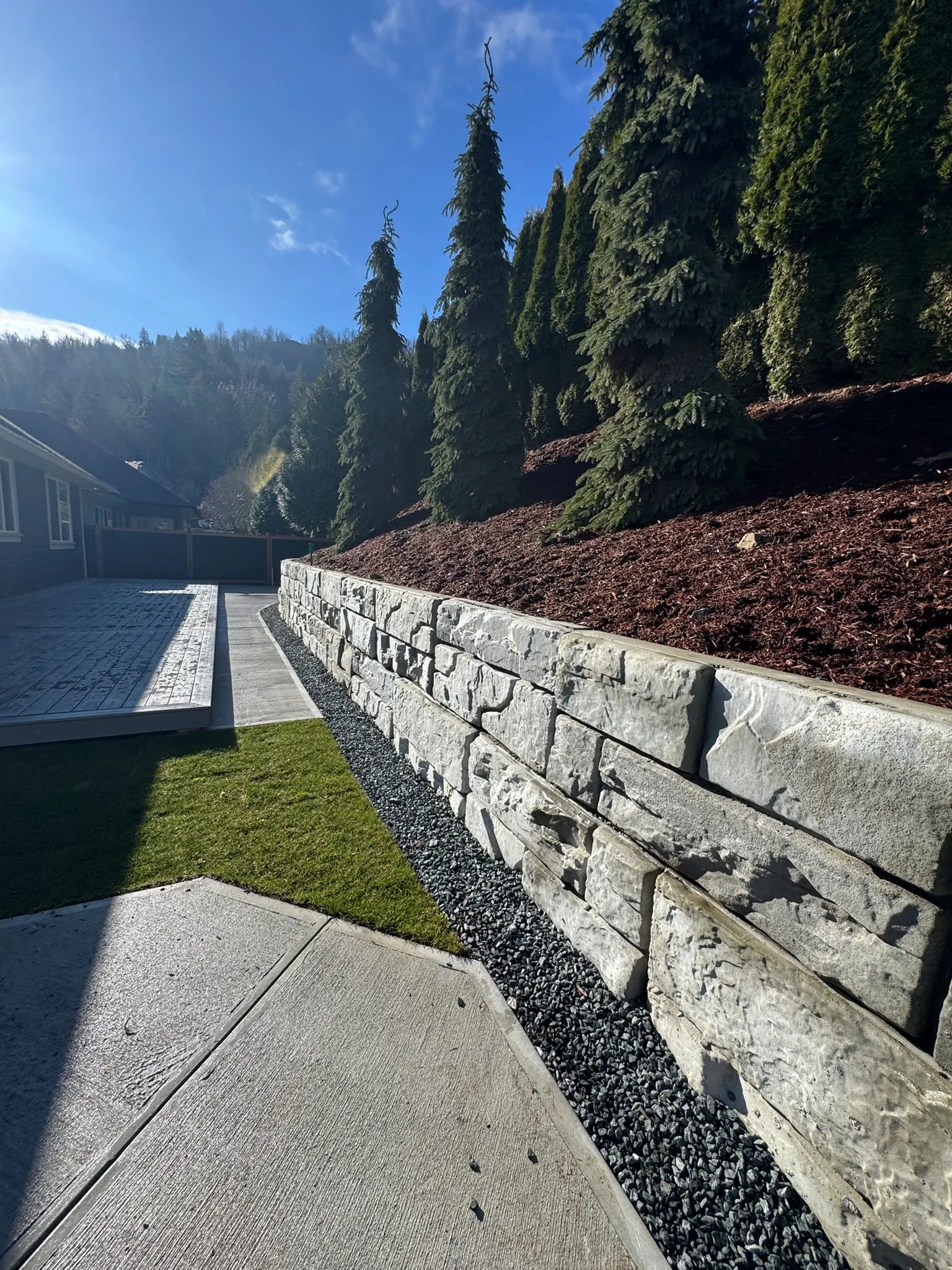
Material forms one line in the price rather than the whole of it. Placed rock suits steep ground and long runs, segmental block suits driveways and tighter yards, and formed concrete suits specific structural cases. Each carries a different unit cost and a different placement time.
Salvaged units reduce material cost on repairs. Sound block and rock survive most failures intact and return to the rebuilt wall. Timber offers no saving over time, because it rots at the soil line in Fraser Valley rainfall and the wall comes out again.
Soil pressure grows with height, and the base, the drainage and the structure grow to resist it. Two walls of identical length and different heights carry very different prices, which is why a figure per linear foot misleads on most residential projects.
The four foot line, roughly 1.2 metres, separates walls that usually proceed without a permit from walls that almost always need one along with an engineered design. Terracing two shorter walls with a setback keeps many projects under that line.
A mini excavator through a gate moves less per hour than a full size machine on an open lot. Haul distance, ground protection and staging space add time to every load in and out.
The visible face represents a fraction of the work. Excavation, spoil removal, the compacted base, clear drain rock, perforated pipe and backfill in lifts make up the structure that keeps the face straight.
A failed wall gets paid for twice: once to build and again to remove and rebuild. Skipped drainage and rotting timber produce the majority of those second bills.
Misconception: Retaining Walls Are Priced By The Linear Foot.
Length changes the total least. Height decides permit and engineering requirements, access decides the machine and the hours, and the ground behind the wall decides the excavation and disposal. A per foot figure averages those differences away.
Misconception: The Cheapest Material Produces The Cheapest Wall.
Material forms one line in the price. Excavation, base preparation, drainage and placement time make up the rest. Timber undercuts rock and block on material and then requires replacement, which makes it the most expensive option over the life of the yard.
Misconception: The Visible Face Is Where The Money Goes.
Most of the work sits out of sight. The excavation, the compacted base, the drain rock, the perforated pipe and the backfill placed in lifts decide whether the wall stays straight, and they account for a large share of the scope.
Misconception: Every Quote Covers The Same Work.
Quotes differ in base depth, drainage, backfill method, disposal and restoration. A lower total frequently reflects a smaller scope rather than a better price. Line by line comparison exposes the difference.
Misconception: Repair Always Costs Less Than Replacement.
Repair costs less only when the material survives. A sound block or rock wall pushed out by water comes apart and goes back together with its original units. A rotted timber wall or a failed base offers nothing to reuse.
Pricing per foot. One side holds that a per foot figure gives homeowners a simple way to compare. The other holds that height and ground conditions break the comparison on most residential walls.
Terracing as a saving. One position cites the permit and engineering costs that two shorter walls avoid. The other cites the extra excavation and the second foundation that terracing adds.
Timber on a budget. One side points to the lower upfront price. The other points to replacement within the service life of the wall.
Drainage on short walls. One view treats drainage as optional below a certain height. The other treats water as the cause of most failures at any height.
Quoting before the visit. One side favours a phone figure for convenience. The other holds that access and ground conditions, unseen from a photo, decide the scope.
Retaining wall cost follows height, access, the ground behind the wall, drainage and material, with length changing the total least. The four foot line separates walls that usually need no permit from walls that need a permit and engineering. Most of the cost sits behind the face in excavation, base and drainage, which is also the work that decides whether the wall lasts. A cheap wall that fails costs more than a correctly built wall, because it gets paid for twice.
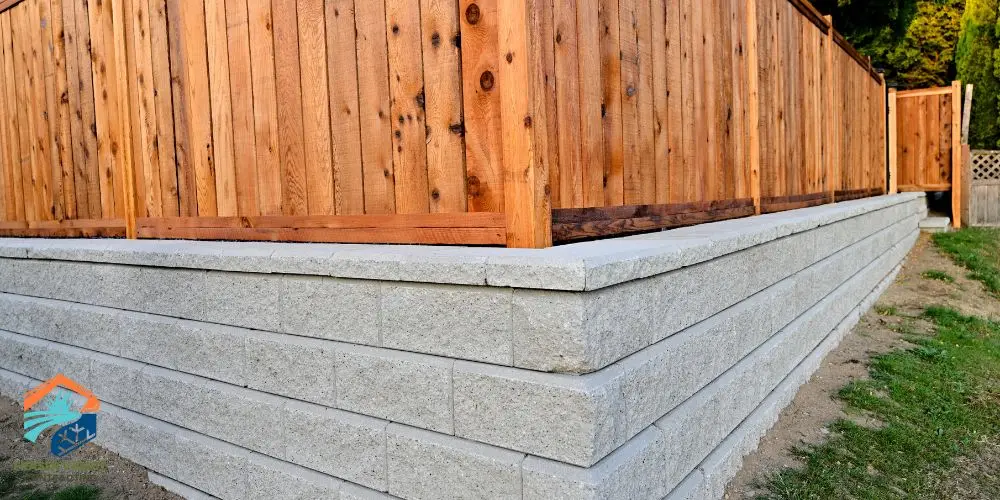
Retaining walls play a much bigger role in the Fraser Valley than just shaping a yard. With heavy rainfall, clay-rich soils, and flood-prone areas like Yarrow and parts...
Read the guide →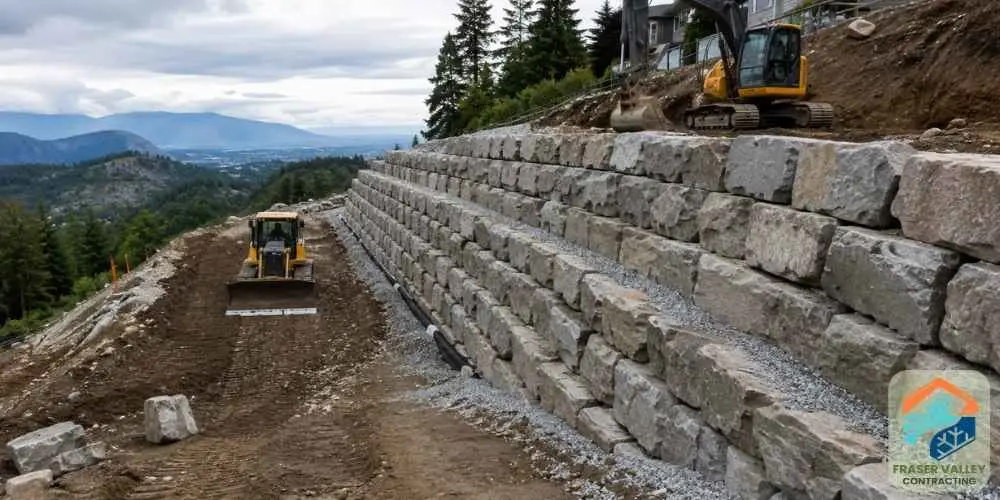
Whether you’re preparing land for a commercial development, creating more usable space on a sloped property, or protecting your investment from erosion, a large scale...
Read the guide →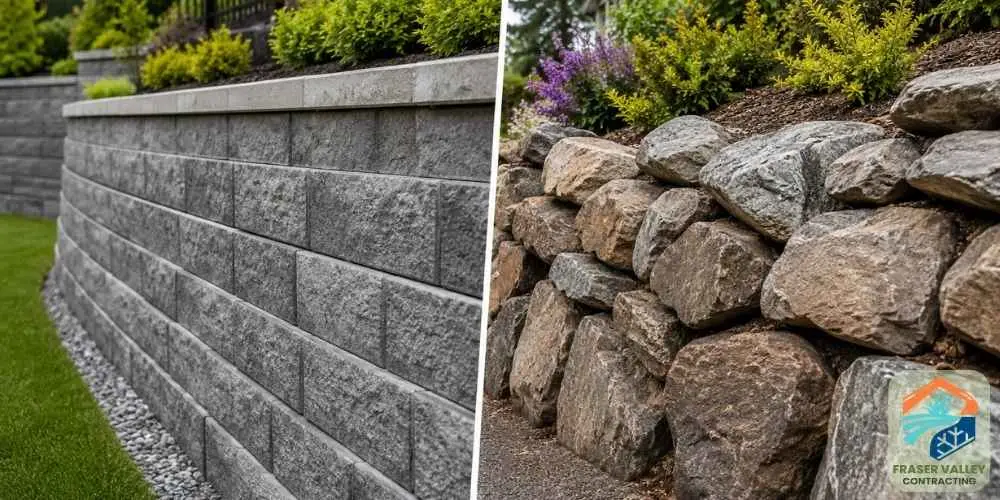
If you’re planning a landscaping project, you’ve probably heard the terms retaining wall and rock wall used interchangeably. While they can sometimes refer to the same...
Read the guide →Great company 5/5. Owen and team are honest and hard working.
We always use them for our jobs. Easy to work with and very reliable.
We have hired this crew for various projects on our acreage. The latest project was an equestrian riding arena, which turned out excellent. They are always willing to take on tasks and challenges with great outcome. Their operators and labourers are hard-working and willing to put in the time to get a job done.
Most of the retaining wall projects we build run between $25,000 and $80,000, and the smallest jobs start around $2,500. Height, access and how much excavation sits behind the wall move the number more than length does.
Keep it under four feet if the slope allows, since that usually avoids a permit and an engineer. On a long slope, two shorter walls with a setback between them often get you the same usable yard. Avoid timber. It costs less up front, rots in this climate and has to be replaced.
Not honestly. Length changes the total least. Height, access and the dig behind the wall change it most, so a per foot number would be wrong for most yards. The site visit and estimate are free, and we are usually out within the week.
Sometimes. If the rock or block is sound and water pushed it out, the wall can often come apart and go back together with its own material and proper drainage. Rotted timber or a failed base leaves nothing to reuse.
A typical wall for us runs 40 to 70 feet, stays under four feet tall where it can, and takes between a week and a month.
Based in Chilliwack, working with homeowners and businesses from Langley through to Hope.
Not sure if we cover your area? Call (604) 703-8315 and we will tell you right away.
Give us a call or fill out the form. We will visit your property within the week, take a look and give you a free estimate.