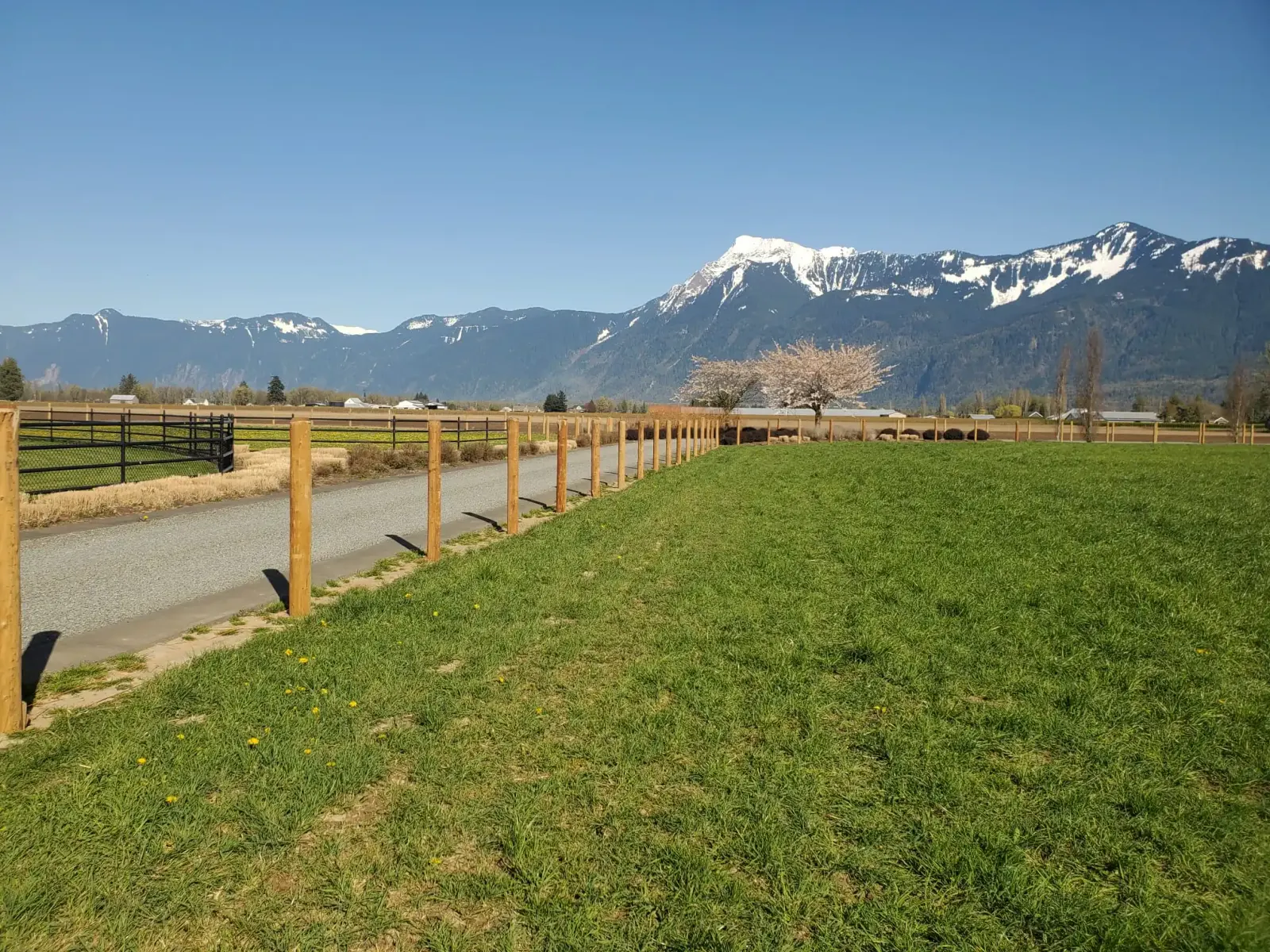
Sod installation
Graded, topsoiled and rolled, so the lawn knits in instead of sitting on hard ground.
Learn more →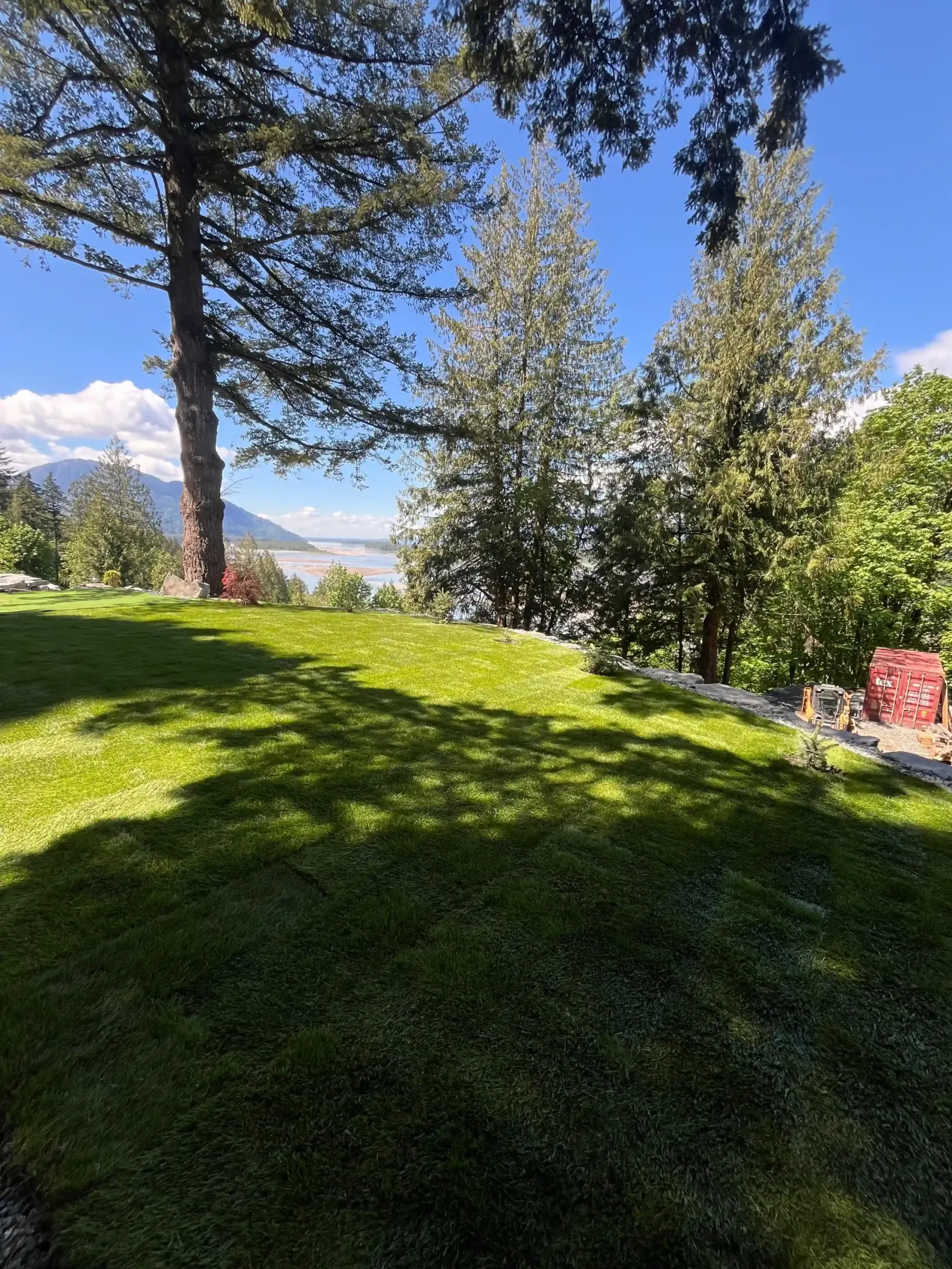
Sod, artificial turf, planting beds and the grading underneath them. The finish that goes on once the heavy work is done.
Most of a good lawn is what sits under it. We grade and prepare the ground before anything green goes down.
Graded, topsoiled and rolled, so the lawn knits in instead of sitting on hard ground.
Learn more →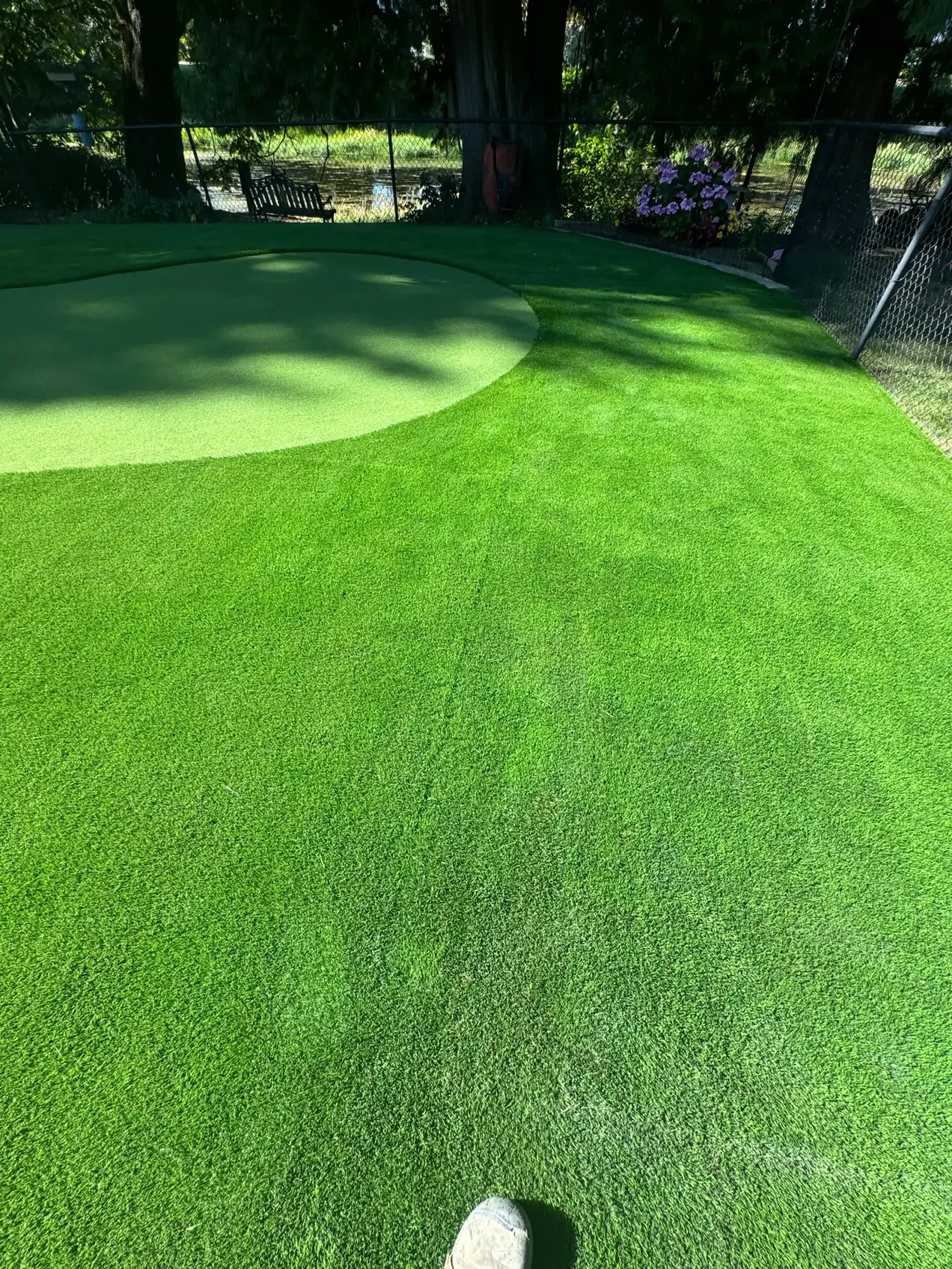
Turf on a drained base for yards, pet runs and putting greens that stay usable year round.
Learn more →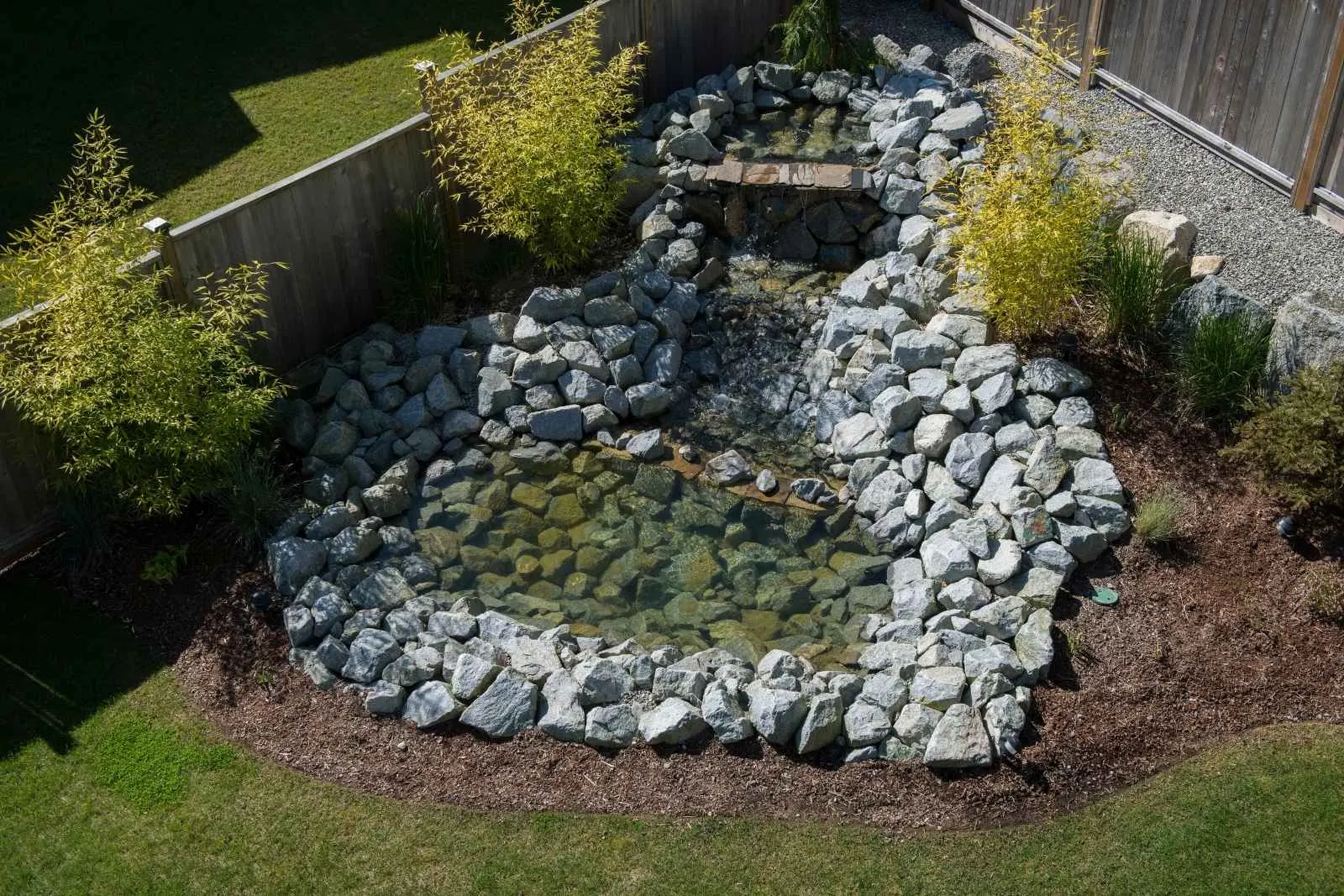
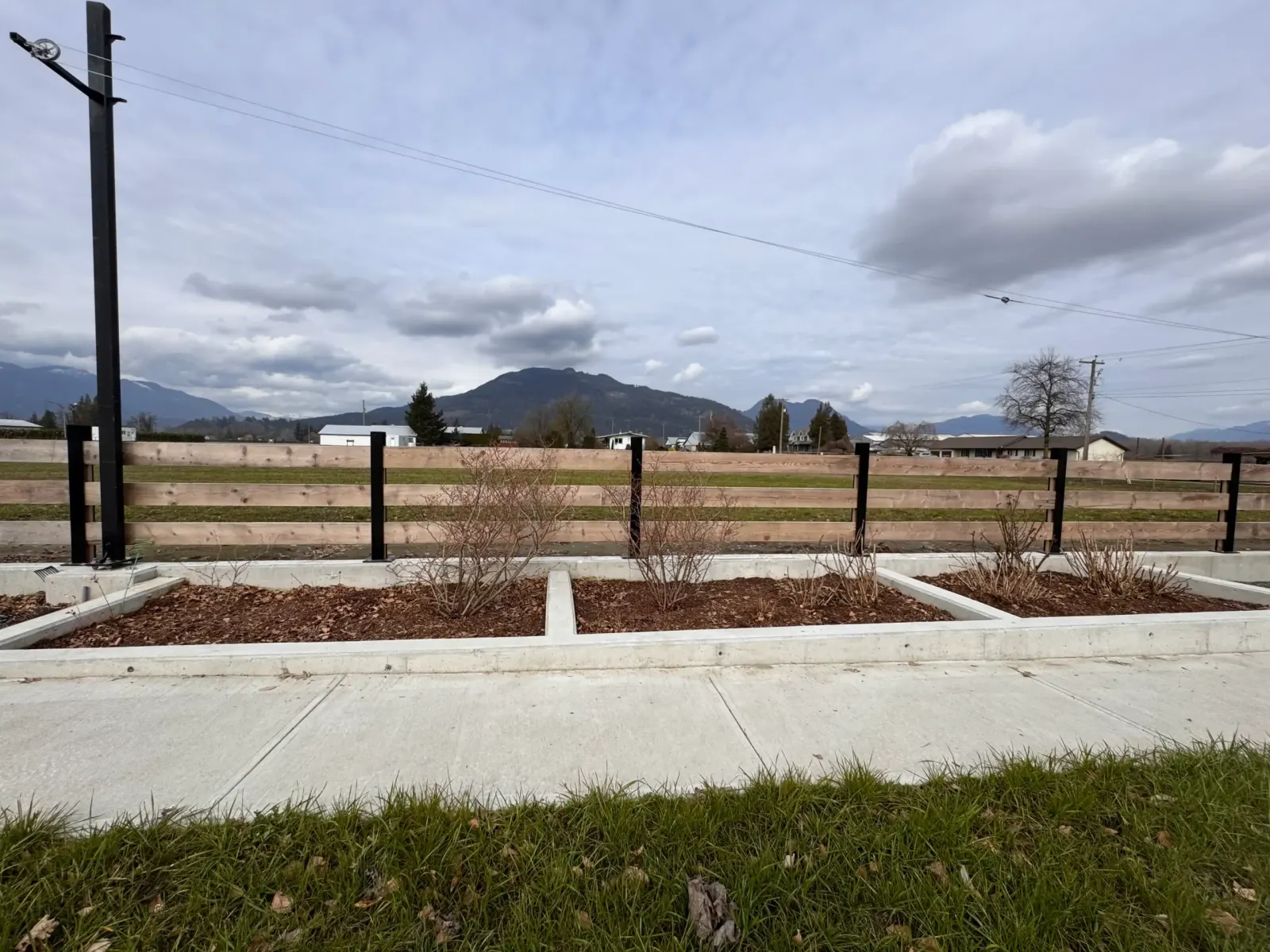
Planting beds, borders and river rock that hold their shape instead of washing into the lawn.
Learn more →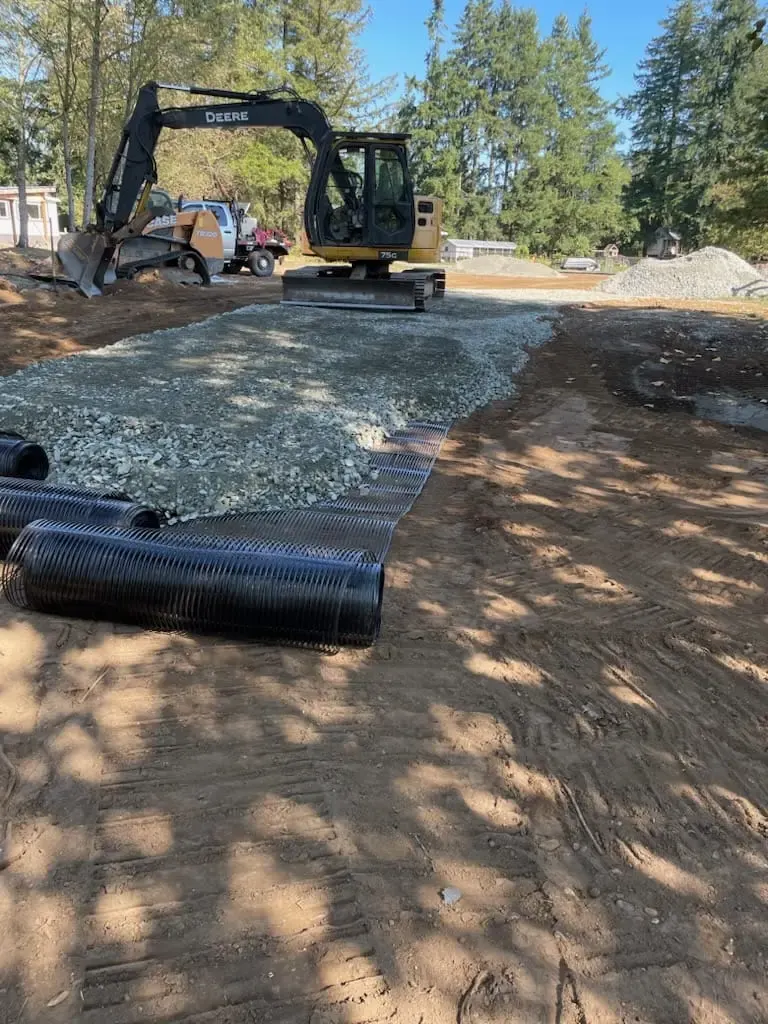
Fall, topsoil and drainage sorted before the finish goes on, so water leaves the yard.
Learn more →Sod laid on compacted subsoil with no topsoil and no fall looks good for a season, then goes patchy, holds water through the wet months and burns off in the dry ones.
We grade for drainage, bring in topsoil to a real depth and prepare the ground before anything green goes down.
Prepared first. Planted second.
Three steps from the first call to a finished yard.
Tell us about the yard and where the water sits, and we will set up a time to come out.
We measure the yard, then you get a quote with the full scope.
One crew takes the job from the first grade to the final cleanup.
A lawn establishes when roots penetrate the ground beneath the sod. Rooting depth, rather than irrigation frequency, determines how a lawn handles a dry summer. Topsoil depth governs rooting depth. Compaction below the topsoil stops roots at that line regardless of what sits above it. Artificial turf answers a different problem, because it absorbs nothing and depends entirely on a free draining base to move water away. Both surfaces fail for the same underlying reason, which is ground preparation treated as the step before the real work rather than as the work itself.
Five operations precede any green surface, and each one constrains the next.
The sequence is not reversible. Correcting fall or topsoil depth after a lawn is down means lifting it.
New sod looks uniform regardless of what sits beneath it. Sod arrives with a thin soil layer around its roots, and that layer sustains the lawn through its first season independently of the ground below.
The difference appears in the second year. Where prepared topsoil exists, roots extend into it, reach moisture at depth, and the lawn carries through dry periods. Where compacted subgrade sits directly under thin topsoil, roots reach that layer and stop.
A shallow rooted lawn depends on continuous surface moisture. It thins through July and August, scorches within days of irrigation stopping, and recovers poorly. Frequent watering reinforces the pattern by keeping roots near the surface rather than driving them down.
Shade and compaction account for most residential lawn failure in the Fraser Valley. Neither responds to fertiliser or reseeding, because neither is a nutrient problem.
Artificial turf absorbs nothing. Rain, irrigation and pet waste pass through perforations in the backing to whatever sits beneath. The base supplies the entire drainage capacity of the system.
A crushed granular base, compacted and graded to fall, carries that water away. Non-woven geotextile separates the base from the subgrade so fines do not migrate up and block it. A bedding layer of finer chip provides the smooth surface the turf lies on.
Turf laid directly on soil holds water. The surface stays soft underfoot, drains slowly after rain, and develops odour under pet use. The failure is attributed to the turf and originates in the base.
Infill supports the pile and adds weight. Silica sand runs cooler than rubber in direct sun. Rubber offers better pile recovery under heavy traffic. The choice trades surface temperature against wear performance.
Perimeter fixing holds the edges. Unfixed turf lifts at the perimeter, which is where nearly all visible failures start.
Roots reach moisture held at depth. A deep rooting zone carries a lawn through dry weeks without intervention. Frequent shallow watering produces the opposite, keeping roots near the surface where moisture disappears first.
Fall established at subgrade carries through the finished surface. Grading topsoil alone leaves the drainage pattern of the ground beneath unchanged, and water collects at the same points as before.
Sod laid without rolling bridges across high points and leaves voids beneath. Roots cross into soil only where contact exists. Rolling closes those voids and presses seams together.
Every drop that lands on turf passes through to the base. Compacted crushed stone graded to fall carries it away. Soil beneath turf holds it, which is the origin of soft ground and odour on pet runs.
Neither responds to fertiliser or reseeding. Shade limits available light below what grass requires. Compaction limits root penetration and oxygen. Both call for a change to the ground or a change of surface.
Misconception: Sod Establishes On Any Surface It Is Laid On.
Sod carries a thin soil layer with its roots. Establishment requires roots to penetrate the ground beneath. Compacted subgrade without topsoil blocks that penetration. The lawn survives on the soil in the roll, then thins once that resource is exhausted.
Misconception: Watering Frequently Compensates For Shallow Topsoil.
Frequent irrigation of a shallow rooting zone encourages roots to stay near the surface. The lawn becomes dependent on continuous watering and scorches within days of it stopping. Rooting depth, not irrigation frequency, determines drought tolerance.
Misconception: Artificial Turf Requires No Ground Preparation.
Turf absorbs nothing, so every drop of water that lands on it passes through to the base. A compacted, free draining crushed base graded to fall carries that water away. Turf laid on soil holds water and develops odour under pet use.
Misconception: A Lawn That Looks Good At Installation Will Establish.
New sod appears uniform regardless of preparation beneath it. The difference emerges in the second season, when roots either penetrate prepared topsoil or stop at a compacted layer. Appearance at handover carries no information about preparation.
Misconception: Turf Costs Less Than Sod.
Artificial turf costs more to install, because most of the work is excavation and base construction. The saving appears across service life in water, mowing and replacement of a lawn that keeps failing.
Minimum topsoil depth. One convention cites 100 millimetres as sufficient for residential lawn. The other cites 150 millimetres on clay subgrade, on the basis that roots need volume where they cannot penetrate below.
Rotovating against surface cultivation. Rotovating produces better tilth and blends the topsoil interface. Surface cultivation preserves subgrade structure and avoids creating a soft layer that settles.
Sand against rubber infill. Silica sand runs cooler in direct sun. Rubber recovers pile better under heavy traffic. The trade is surface temperature against wear.
Autumn against spring installation. Autumn offers natural irrigation through establishment. Spring offers a full growing season before the first winter. Fraser Valley rainfall favours the first.
Turf as a shade solution. One position installs turf wherever grass fails for light reasons. The other argues shade tolerant planting suits the space better and that turf answers wear problems rather than light problems.
Lawn establishment depends on rooting depth, which depends on topsoil depth and on whether compaction below it permits penetration. Grading sets fall before topsoil arrives. Rolling creates the root to soil contact that establishment requires. Artificial turf shifts the problem to the base, which carries all drainage because the surface absorbs none. Shade and compaction account for most residential failure, and neither responds to fertiliser. Preparation beneath the surface determines the outcome in the second season and beyond.
Landscaping 101 The Fraser Valley landscaping guide that starts below the surface Everything a Chilliwack or Fraser Valley homeowner should know before reshaping a yard...
Read the guide →
Residential landscaping in Chilliwack isn’t just about making a yard look good, it’s about building an outdoor space that can handle heavy rainfall, shifting soils, and...
Read the guide →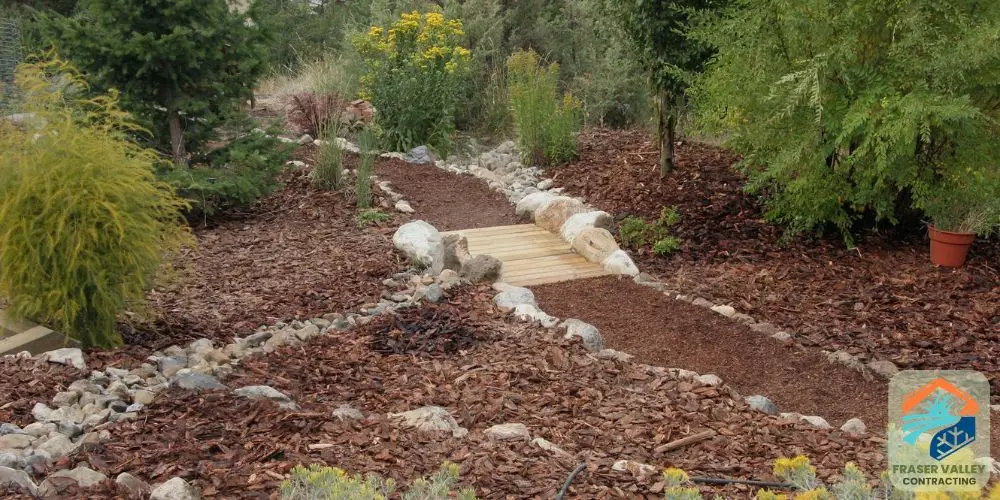
If you’ve ever spent a summer weekend pulling weeds, mowing the lawn, trimming shrubs, and dragging hoses around the yard, you’ve probably asked yourself a simple...
Read the guide →We have hired this crew for various projects on our acreage. The latest project was an equestrian riding arena, which turned out excellent. They are always willing to take on tasks and challenges with great outcome. Their operators and labourers are hard-working and willing to put in the time to get a job done.
Great company 5/5. Owen and team are honest and hard working.
We always use them for our jobs. Easy to work with and very reliable.
Sod suits open, sunny yards with reasonable drainage. Turf suits shade, slopes, pet runs and anywhere a real lawn keeps failing. Turf is not cheaper up front. It is lower maintenance afterwards.
No. We build yards rather than maintain them. If it needs an excavator or a wall, that is us.
Spring and early autumn are the easiest, because the ground is warm and the rain does some of the watering. Summer installs work but need more water in the first few weeks.
Based in Chilliwack, working with homeowners and businesses from Langley through to Hope.
Not sure if we cover your area? Call (604) 703-8315 and we will tell you right away.
Give us a call or fill out the form. We will visit your property within the week, take a look and give you a free estimate.