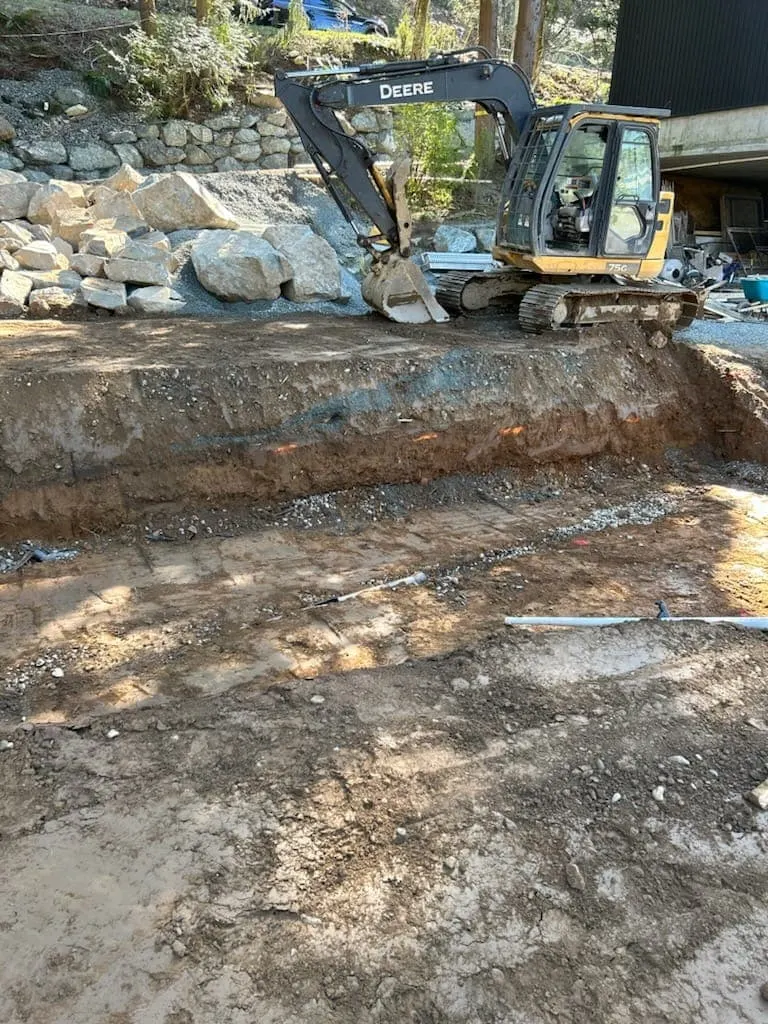
Your soil
Sandy ground takes water easily. Clay takes it slowly and needs a bigger field to do the same job.
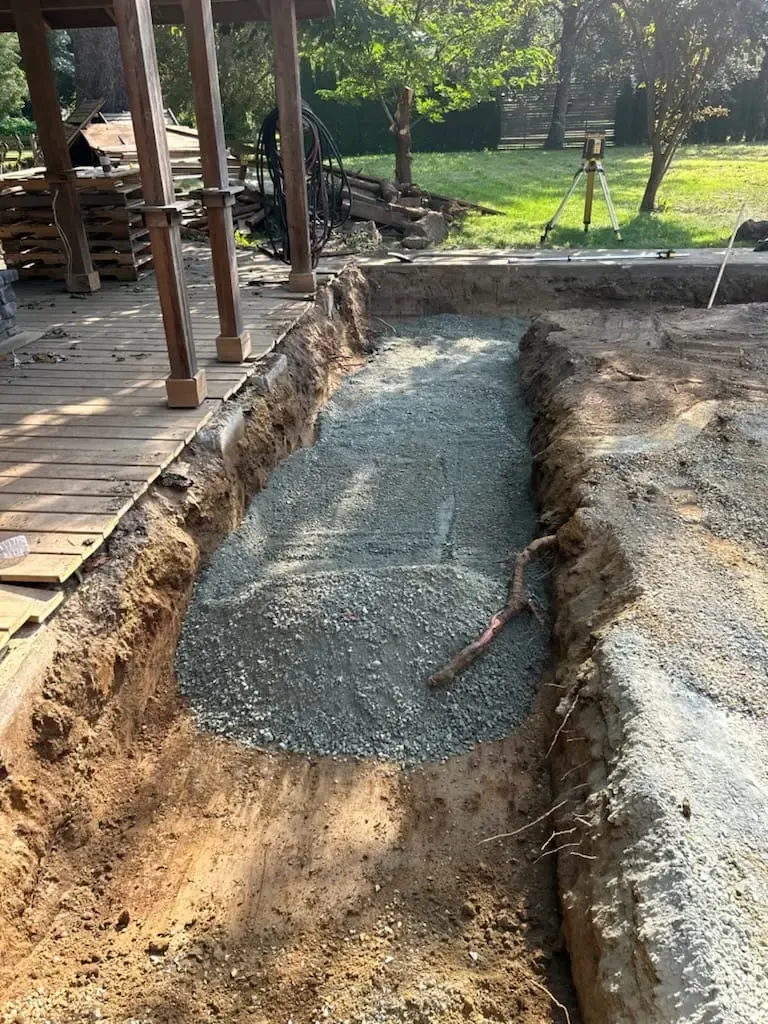
The ground under your yard decides which septic system you need, and the system decides most of the price. Here is what moves it, and what a replacement includes.
Two septic fields can share a name and very little else. These four things decide what yours needs.
Sandy ground takes water easily. Clay takes it slowly and needs a bigger field to do the same job.
Where groundwater sits high, a simple field does not have enough dry soil to work. The system has to be raised or add treatment.
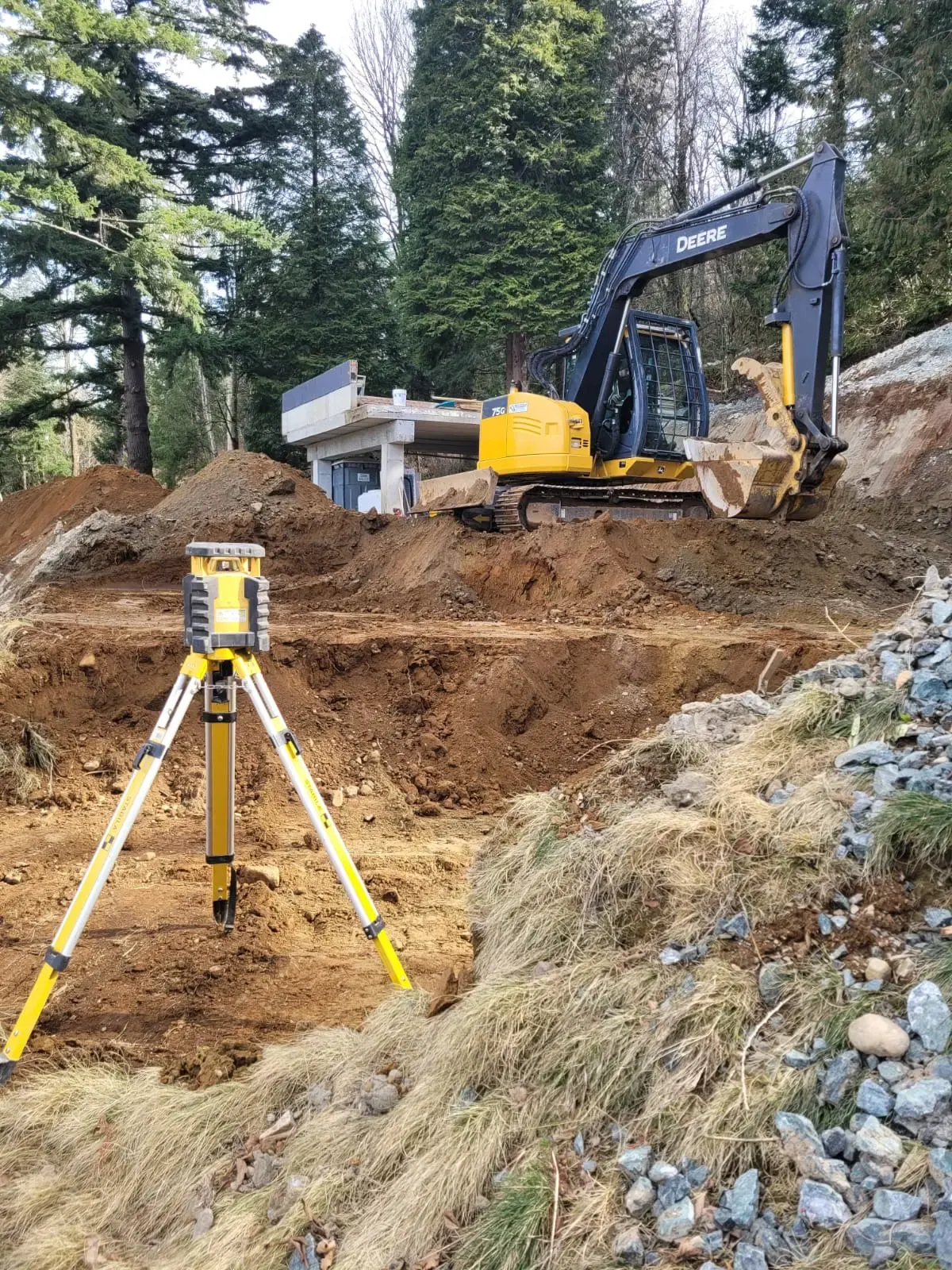
More bedrooms or a suite means more water every day, and a field sized to take it.
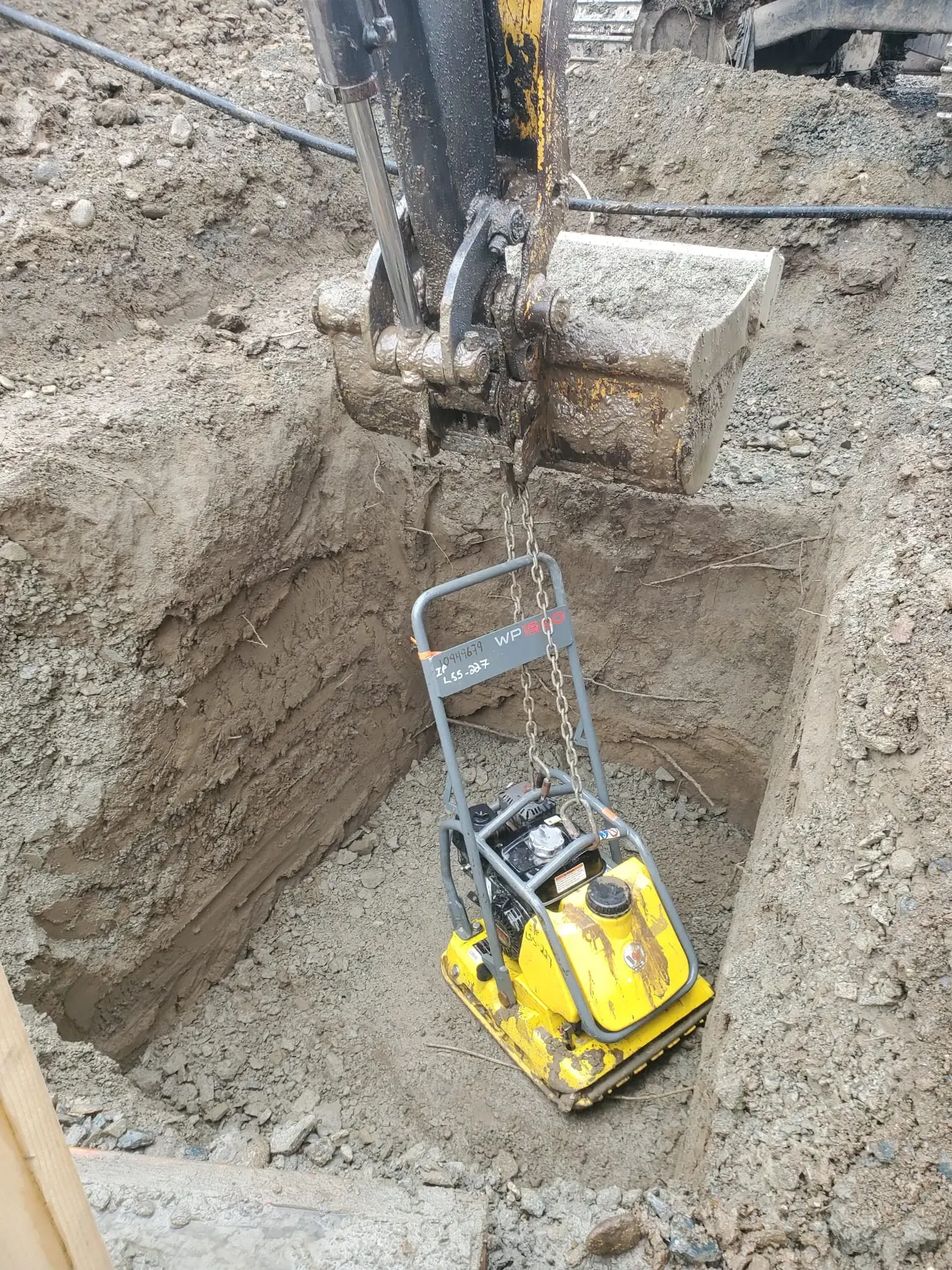
A broken pipe or a tipped distribution box looks like a dead field. Check it is not a repair first.
Learn more →A simple gravity field in well-drained soil and a raised field on wet ground are very different jobs. Nobody can tell you which one you need without looking at the site.
We come out, look at the ground, the water table and the access, and tell you what you are dealing with. Then you get a quote with the full scope, including putting the yard back.
One crew. One scope. One standard.
Three steps from the first call to a working system.
What you are seeing, how old the system is and whether anything has changed, like a new suite. We will set up a time to come out.
We look at the site, the ground and the access, then you get a quote with the full scope.
One crew takes the job from the first dig to the final grade and cleanup.
A septic field replacement rebuilds the part of an onsite sewerage system that returns treated water to the ground, after the original field's soil has clogged or saturated. The ground decides which septic system a property needs, and the system decides most of the price. Soil type, depth to the water table, house size and site access separate a straightforward gravity field from a pressure distribution field, a raised field or a system with a treatment unit, and each step up adds components, material and work.
The site assessment comes before any design, because the ground limits the options.
Each step down this list adds components, design and construction, and the price follows.
Field size follows the daily design flow, which BC practice bases largely on the number of bedrooms. A four bedroom house with a suite needs more field than a three bedroom house, and a suite added after the original field went in often explains why the original field failed. Slow soil needs more trench length to absorb the same flow. On a narrow lot, a long field forces a different layout or a different system type.
A replacement price covers more than the new pipe.
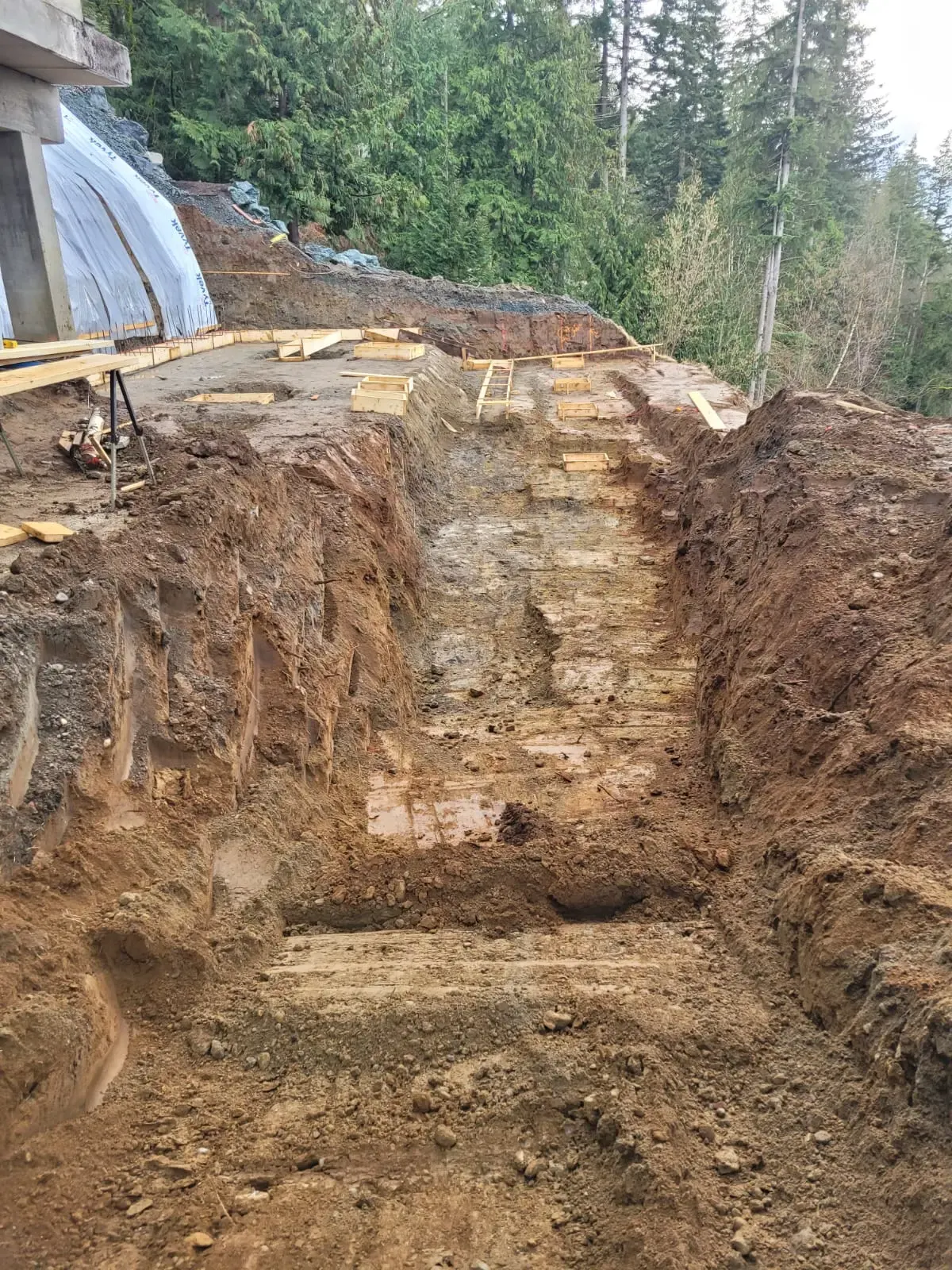
Access sets the machine and the hours. A mini excavator through a gate moves less material per hour than a full size machine on an open acreage. A finished lawn over the old field, a driveway between the house and the new field, and mature trees along the route all add work. Raised fields need sand and gravel hauled in, so delivery distance and route matter more on those jobs.
Soil and water table select the system type. A gravity field and a raised field differ in components, material and work, so the site assessment sets the price before any digging starts.
Soil treats effluent only above groundwater. Wet ground leaves too little treatment depth for a simple field, so the design adds a raised field or a treatment unit to make up the difference.
Design flow follows the household. More bedrooms or an added suite mean more water every day and a field sized to take it.
The field and the tank fail for different reasons. When the tank is intact and large enough, it keeps working with the new field, which keeps the scope down.
The visible work is the new field. The price also carries the design and filing, removal of the old field, the tank decision and putting the yard back.
Misconception: Every Septic Field Costs About The Same.
Septic fields differ by system type, size and site. A gravity field in sandy soil and a raised field on wet clay share a name and little else, and their prices reflect that.
Misconception: A New Field Goes In Where The Old One Was, The Same Way.
The old field's soil is usually what failed, so the new field often goes in a different spot or in a different form. Current regulations and the site assessment set the design, not the old layout.
Misconception: The Tank Always Has To Be Replaced Too.
A sound tank of adequate size often stays. Inspection during the design decides whether it can, which keeps the job from growing unnecessarily.
Misconception: The Cheapest System Type Works On Any Site.
The ground decides which system works. A gravity field on a site with a high water table fails early. The site assessment selects the system, and the system sets the price.
Misconception: The Price Covers Only The Digging.
A replacement price covers design and filing, removal of the old field, materials, construction and restoration of the yard. Comparing quotes means comparing those parts, not just the totals.
Repair or replace an older field. One side repairs the failed section to save cost now. The other replaces the whole field to avoid a second dig later.
Wet ground. Designers differ on when a raised field suits wet ground and when a treatment unit with a smaller field does.
Pricing before assessment. One side gives a figure early for convenience. The other holds that soil and water table decide the system, so no figure means much before the assessment.
Old tanks. One side reuses them on cost grounds. The other cites hidden cracks and outdated designs.
Sizing for the future. Owners and designers weigh sizing for the house as it stands against sizing for a suite planned later.
Septic field replacement cost follows the system the ground calls for. Soil, water table, house size and access separate a gravity field from a pressure, raised or treated system, and each step adds work and material. A high water table pushes the design toward complexity, a bigger household needs a bigger field, and a sound tank can often stay. The price covers design and filing, removal, construction and restoration, which makes a site assessment the starting point for any meaningful figure.
We have hired this crew for various projects on our acreage. The latest project was an equestrian riding arena, which turned out excellent. They are always willing to take on tasks and challenges with great outcome. Their operators and labourers are hard-working and willing to put in the time to get a job done.
Great company 5/5. Owen and team are honest and hard working.
We always use them for our jobs. Easy to work with and very reliable.
It depends on the system your ground calls for. Soil, the water table, the size of the house and the access decide whether you need a simple field or a raised or treated system, and that moves the price more than anything else. The site visit and estimate are free, and we are usually out within the week.
Usually, yes. A field only works in the dry soil above groundwater. Where the water sits high, as it does on a lot of Agassiz and Harrison acreage, the field has to be built up or add treatment, and that adds work and material.
Often. If the tank is sound and big enough, it can keep working with the new field. If it is cracked or too small, it gets replaced too. We check before quoting.
Not always. A crushed pipe, a tipped distribution box or roots in a line can look exactly like a failed field. We would rather fix what is broken than replace a field that still has life left in it.
Yes. Grading and cleanup are part of the scope, not an extra.
Based in Chilliwack, working with homeowners and businesses from Langley through to Hope.
Not sure if we cover your area? Call (604) 703-8315 and we will tell you right away.
Give us a call or fill out the form. We will visit your property within the week, take a look and give you a free estimate.