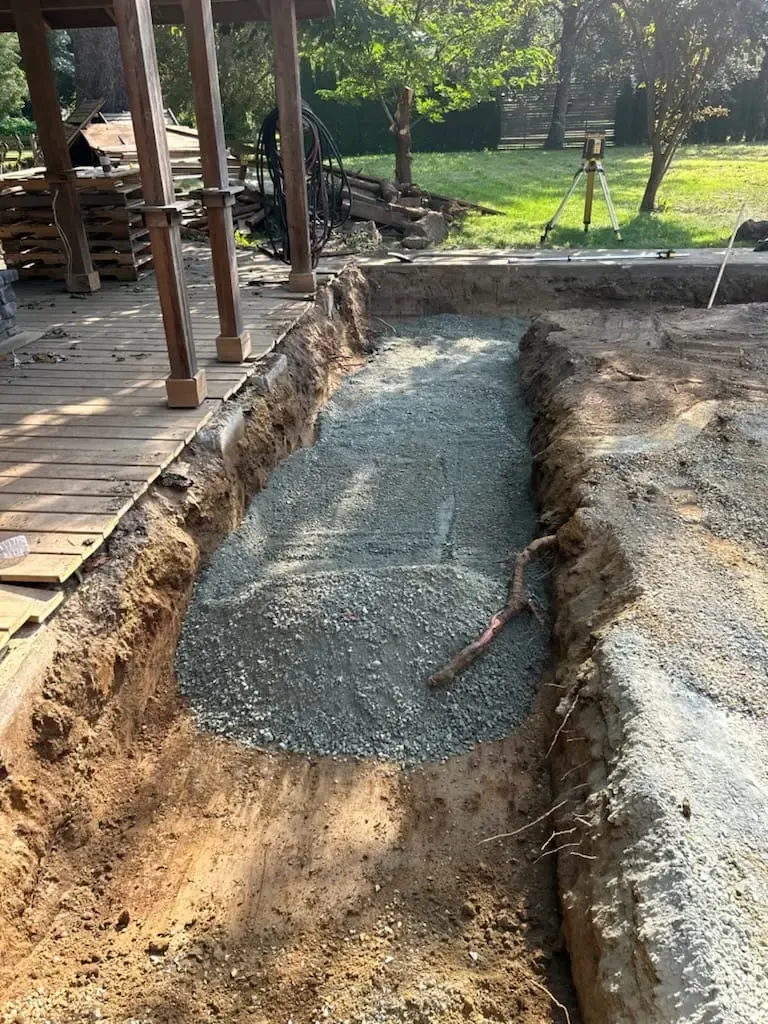
Soggy ground over the field
Wet ground over the field in dry weather means water is coming up instead of soaking in.
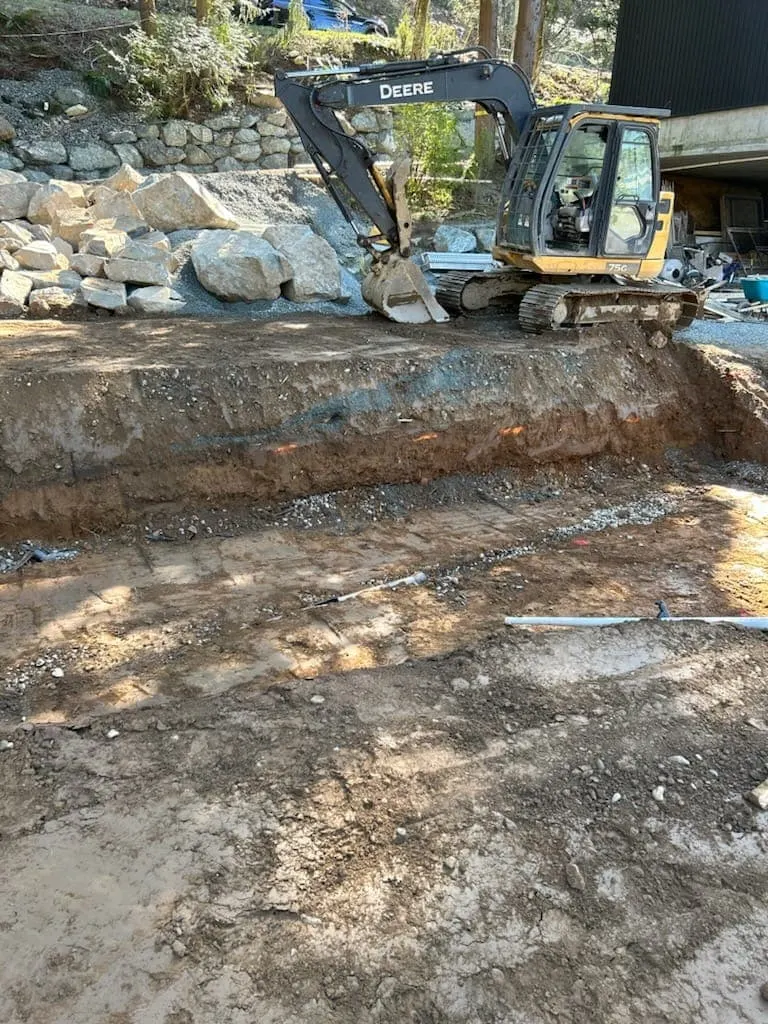
Soggy ground over the field, a smell in the yard, or drains slow to empty? We find what has actually failed and fix that, rather than replacing a field that still has life left in it.
Any one of these is worth a call. Sewage on the surface or backing into the house is worth a call today.
Wet ground over the field in dry weather means water is coming up instead of soaking in.

A smell near the tank or the lines usually means effluent is sitting too close to the surface.
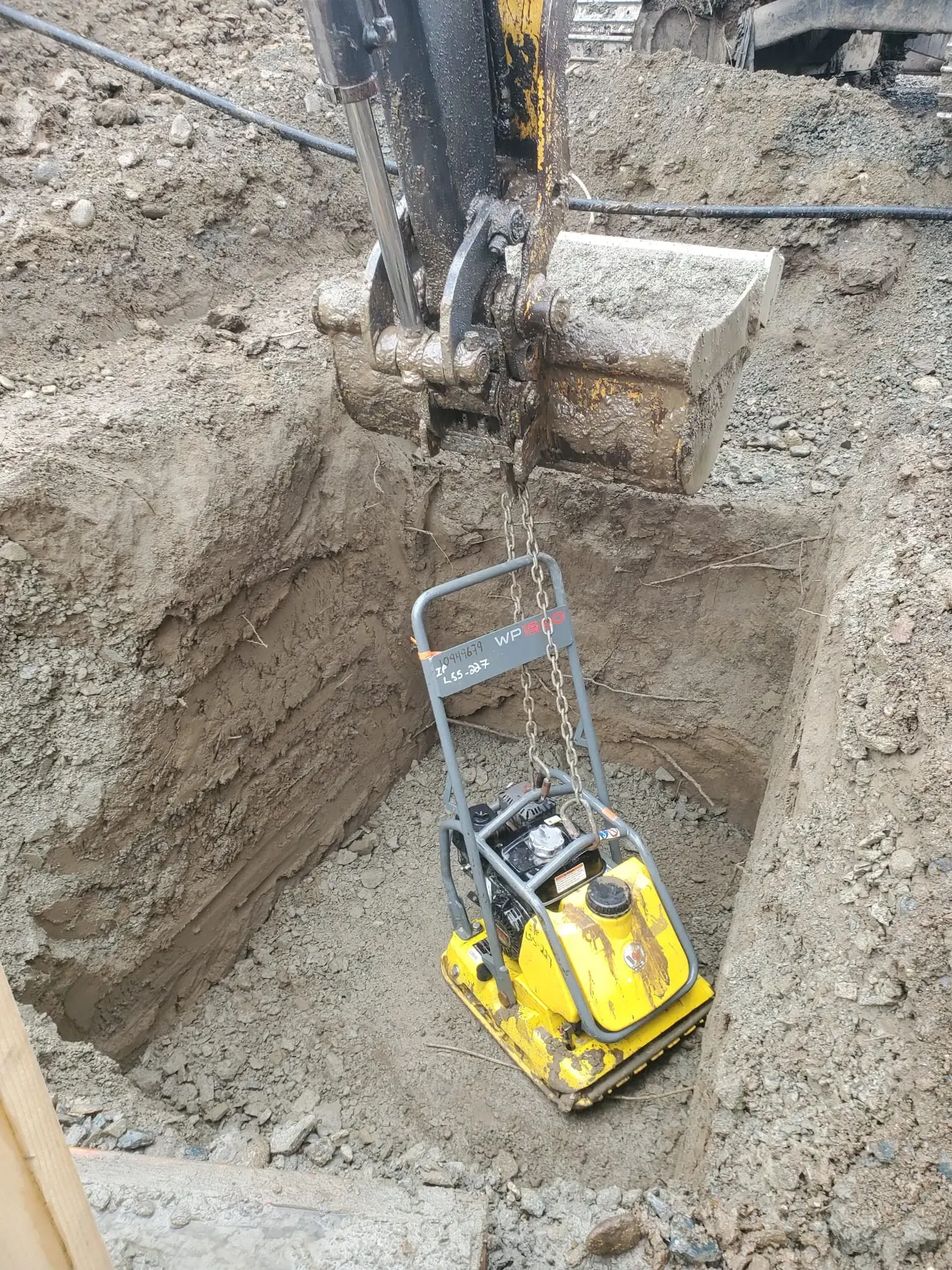
Toilets and sinks slow to empty, or gurgling in the pipes. Water is backing up from the tank or the field.
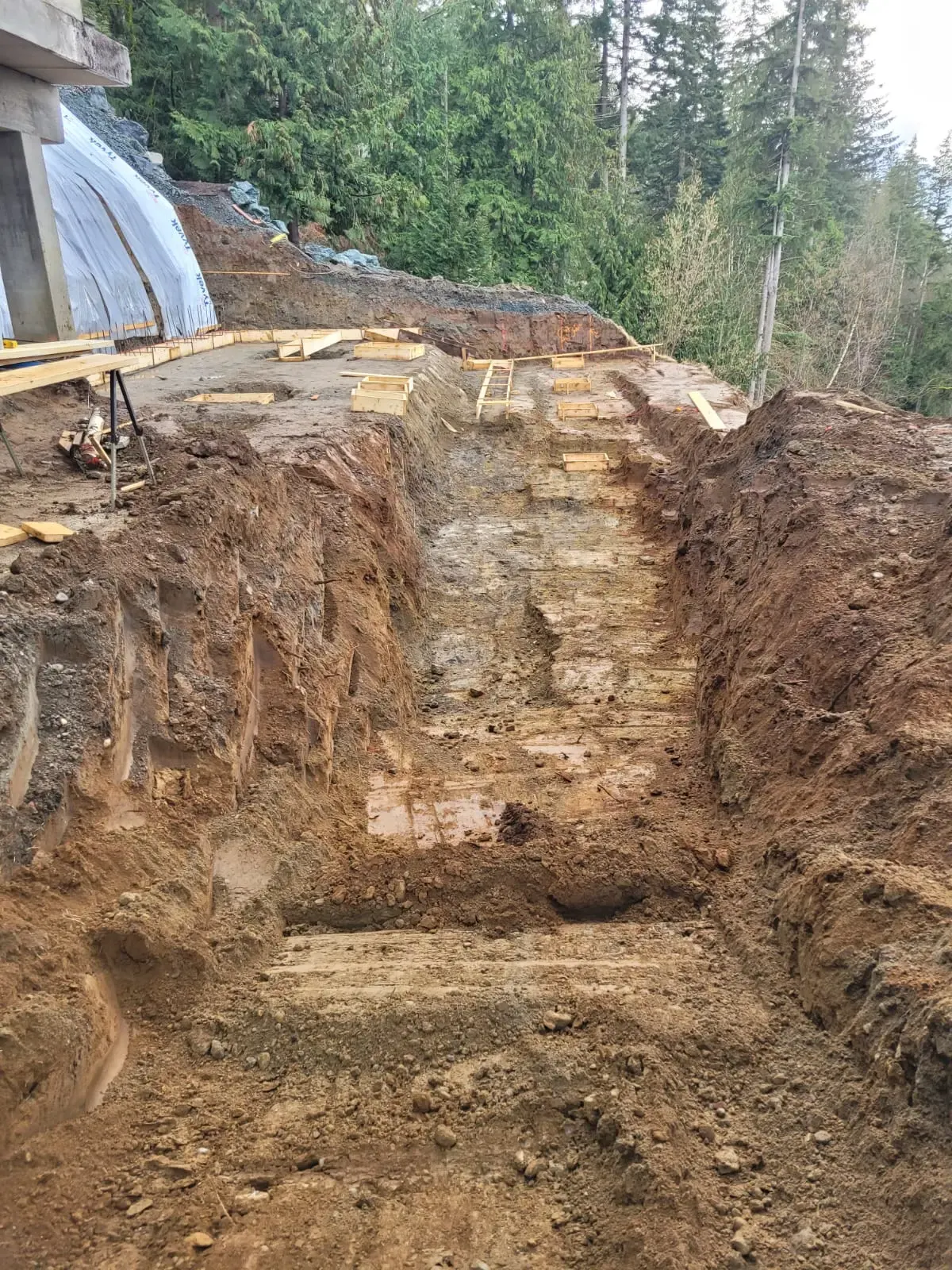
When the soil itself has clogged or sits in water, repair stops being an option. Here is what a replacement involves.
Learn more →A crushed pipe, a tipped distribution box or roots in a line can look exactly like a failed field. Those are repairs. Dig up the right spot, fix what broke, and the field goes back to work.
When the soil has clogged or the field sits in water for much of the year, part or all of it has to be rebuilt. We will tell you which one you have before you get a quote.
Fixed where it can be. Replaced where it has to be.
Three steps from the first call to a working field.
Wet ground, a smell, slow drains or a backup. Tell us what is going on and we will set up a time to come out.
We find what has failed, then you get a quote with the full scope.
One crew takes the job from the first dig to the final grade and cleanup.
A septic drain field is the part of an onsite sewerage system that returns treated water to the ground. The tank settles the solids, a distribution box splits the flow between perforated lines in gravel trenches, and the native soil finishes the treatment. A septic field fails when the soil can no longer take the water. Many problems that look like a failed field turn out to be repairs: a crushed pipe, a tipped distribution box, roots in a line or a tank long overdue for pumping.
Each warning sign reports where the water goes when the field stops taking it.
Five causes account for most field problems.
Every component plays a role, and each one fails differently. The septic tank settles solids and protects the field from them. The outlet pipe carries the clarified water out of the tank. The distribution box splits the flow evenly between the lines; when it tips, one line takes all the water and floods while the others sit dry. The laterals, perforated pipe laid in gravel trenches, spread the water across the field. The native soil treats the water as it passes through, and when that soil clogs or saturates, the field has reached the end of its working life.
When the soil across the whole field has clogged or the field sits in water for much of the year, replacement takes over from repair.
British Columbia's Sewerage System Regulation governs septic systems on private property. Under it, new systems and repairs get planned and filed by an authorized person, either a Registered Onsite Wastewater Practitioner or a professional engineer, with the regional health authority. In the Fraser Valley that authority is Fraser Health. The owner receives a maintenance plan for the system once the work is complete.
The pipes and gravel spread the water. The soil does the work. When it clogs with solids or saturates with groundwater, the water has nowhere to go but up or back toward the house.
Mechanical problems produce the same symptoms as a failed field: wet ground, smells and slow drains. Exposing the pipe or the box finds the cause, and fixing it returns the field to service.
A full tank lets solids pass into the field, where they seal the soil. Pumping on schedule prevents the damage, and no amount of pumping afterwards reverses it.
Soil treats water only above the water table. On Agassiz and Harrison acreage, where the water table sits high for months, the field has less depth to work with and field placement decides how well it performs.
A repair replaces one pipe, one box or one section. A replacement rebuilds the whole field. Finding the actual cause first keeps the job the size it needs to be.
Misconception: A Wet Spot Always Means The Whole Field Has Failed.
A wet spot often marks one broken pipe, a tipped distribution box sending all the flow down one line, or a downspout draining onto the field. Finding the cause separates a repair from a replacement.
Misconception: Additives Fix A Failing Field.
Additives do not unclog soil, repair a crushed pipe or lower a water table. A field fails for a physical reason, and the fix addresses that reason.
Misconception: Pumping The Tank Fixes The Field.
Pumping removes solids from the tank and prevents more reaching the field. Soil already clogged by past solids stays clogged. Pumping protects a working field and buys time on a struggling one.
Misconception: A Septic Field Lasts Forever If It Works Today.
Fields age. Soil gradually loses capacity, pipes shift and roots grow. Regular pumping and keeping vehicles and trees off the field extend its life, and watching for early signs catches problems while they remain repairs.
Misconception: Any Excavator Operator Can Repair A Septic Field In BC.
BC's Sewerage System Regulation requires repairs and new systems to be planned and filed by an authorized person, a Registered Onsite Wastewater Practitioner or a professional engineer, with the regional health authority.
Resting a field. One side rests a saturated field to let the soil recover. The other holds that a clogged field rarely recovers enough to matter.
Partial or full. One side repairs the failed section of an older field to save cost now. The other replaces the whole field to avoid a second dig later.
Additives. One side cites biological support. The other cites no proven benefit and possible harm to the field.
Pumping schedules. One view pumps on a fixed schedule. The other measures sludge depth and pumps when the tank needs it.
Camera inspection. One side runs a camera down the lines before every repair. The other skips it on small jobs where the cause is visible.
A septic field fails when its soil can no longer take the water, and the warning signs are wet ground, smells, slow drains and backups. Many of those signs come from repairable problems: crushed pipe, a tipped distribution box, roots or a tank overdue for pumping. Clogged or saturated soil calls for part or all of the field to be rebuilt. Finding the cause first keeps the job the size it needs to be, because fixing what failed costs less than replacing a field with life left in it.
We have hired this crew for various projects on our acreage. The latest project was an equestrian riding arena, which turned out excellent. They are always willing to take on tasks and challenges with great outcome. Their operators and labourers are hard-working and willing to put in the time to get a job done.
Great company 5/5. Owen and team are honest and hard working.
We always use them for our jobs. Easy to work with and very reliable.
Often, yes. A crushed pipe, a tipped distribution box, roots in a line or a tank long overdue for pumping can all be fixed without replacing the field. If the soil itself has clogged or the field sits in water, part or all of it has to be rebuilt.
Wet ground over the field in dry weather, a sewage smell, slow drains, gurgling pipes, a strip of grass greener than the rest, or sewage backing into the house. The last one needs a call straight away.
Pumping stops more solids reaching the field and can buy time. It does not unclog soil that is already clogged. It is the first thing to do, not always the last.
Yes, a lot. On Agassiz and Harrison acreage in particular the water table sits high for months, which leaves the field less room to work. It is one of the first things we look at.
Yes. Grading and cleanup are part of the scope, not an extra.
Based in Chilliwack, working with homeowners and businesses from Langley through to Hope.
Not sure if we cover your area? Call (604) 703-8315 and we will tell you right away.
Give us a call or fill out the form. We will visit your property within the week, take a look and give you a free estimate.