If your yard has a slope, you've probably thought about a retaining wall. Maybe there's erosion happening after a heavy rain. Maybe your backyard tiers down in a way that makes it hard to use. Maybe you've seen a neighbour's finished project and started wondering what yours could look like. In the Fraser Valley, retaining walls are one of the most practical hardscape investments a homeowner can make and one of the most misunderstood. Here's what you actually need to know before you start planning. What a Retaining Wall Does (And Why It Matters Here) A retaining wall holds back soil. That's the simple version. The fuller version is that it reshapes how your property functions, turning unusable slopes into flat, usable space, directing drainage where you want it, and protecting your foundation, driveway, or garden beds from the gradual effects of soil movement and erosion. In the Fraser Valley specifically, the combination of heavy rainfall, clay-heavy soils, and sloped terrain makes retaining walls more than an aesthetic choice. They're often structural necessities and building one without proper drainage planning can cause more problems than it solves. Choosing the Right Material Not all retaining walls are built the same, and the right material depends on your specific site, your aesthetic, and the scale of what you're trying to hold. Interlocking concrete blocks is the most common choice for residential projects across Chilliwack and Abbotsford. It's durable, cost-effective, and available in a range of styles that complement most homes. For walls under four feet, it's often the cleanest solution. Natural stone works well for homeowners who want a more organic look — particularly in yards with existing natural landscaping or garden features. It's heavier, more labour-intensive to install, but built right, it's exceptional. Poured concrete or concrete block is typically used for taller walls or situations that require engineered structural support. If your slope is significant or the wall will be near a structure, this is often where the conversation needs to go. Timber and wood-framed walls have their place for lighter applications, but in the Fraser Valley's wet climate, longevity becomes a real concern without proper treatment and drainage behind the wall. The Part Most Homeowners Overlook: Drainage Here's what separates a retaining wall that holds for twenty years from one that starts to lean or crack within five: drainage behind the wall. When water builds up in the soil behind a retaining wall, the pressure becomes enormous. Without proper drainage — typically crushed gravel backfill and perforated drainage pipe — that pressure transfers to the wall. Over time, that means movement, failure, or both. Every retaining wall Fraser Valley Contracting builds includes a drainage assessment. The topography around Chilliwack, Agassiz, and Hope means this isn't optional — it's standard practice. When Do You Actually Need One? A few signs your yard might benefit from a retaining wall: Soil is washing away or collecting at the base of a slope after rain You have a usable flat area that's undermined by erosion uphill from it Your driveway or garden beds are starting to shift or settle You want to terrace your yard to create more outdoor living space A slope is making landscaping difficult to maintain If any of these sound familiar, it's worth getting an assessment done before the problem gets bigger. What the Build Process Looks Like For most residential retaining wall projects in the Fraser Valley, the process starts with a site visit to assess the slope, soil type, existing drainage, and what you want the space to become. From there, we work with you on material selection and layout, handle the excavation and grading, install the drainage layer, and build the wall to spec. Depending on scope, most residential retaining walls can be completed within a week. If you're planning to add landscaping, a patio, or additional hardscaping features once the wall is in place, we can design the project with that end goal in mind from the start — so everything ties together cleanly. Ready to Start Planning? Retaining walls are one of those projects where doing it right the first time pays off for decades. If you're in Chilliwack, Abbotsford, Agassiz, or the surrounding Fraser Valley area and you're ready to talk through your project, our team is happy to walk your property and give you a clear picture of what's involved.
Advice and guides

Retaining Walls in the Fraser Valley

If your yard has a slope, you’ve probably thought about a retaining wall. Maybe there’s erosion happening after a heavy rain. Maybe your backyard tiers down in a way that makes it hard to use. Maybe you’ve seen a neighbour’s finished project and started wondering what yours could look like.

In the Fraser Valley, retaining walls are one of the most practical hardscape investments a homeowner can make and one of the most misunderstood. Here’s what you actually need to know before you start planning.

What a Retaining Wall Does (And Why It Matters Here)

A retaining wall holds back soil. That’s the simple version. The fuller version is that it reshapes how your property functions, turning unusable slopes into flat, usable space, directing drainage where you want it, and protecting your foundation, driveway, or garden beds from the gradual effects of soil movement and erosion.

In the Fraser Valley specifically, the combination of heavy rainfall, clay-heavy soils, and sloped terrain makes retaining walls more than an aesthetic choice. They’re often structural necessities and building one without proper drainage planning can cause more problems than it solves.

Choosing the Right Material

Not all retaining walls are built the same, and the right material depends on your specific site, your aesthetic, and the scale of what you’re trying to hold.

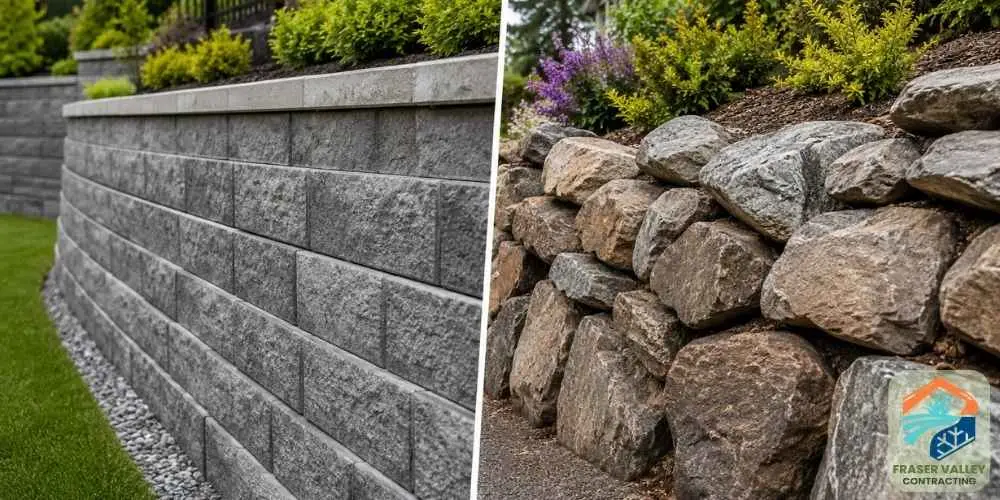
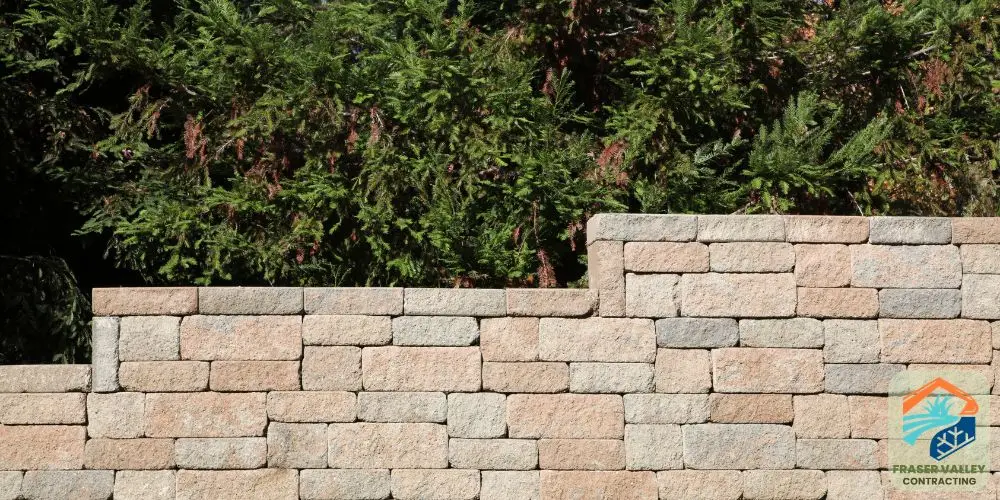
Interlocking concrete blocks is the most common choice for residential projects across Chilliwack and Abbotsford. It’s durable, cost-effective, and available in a range of styles that complement most homes. For walls under four feet, it’s often the cleanest solution.

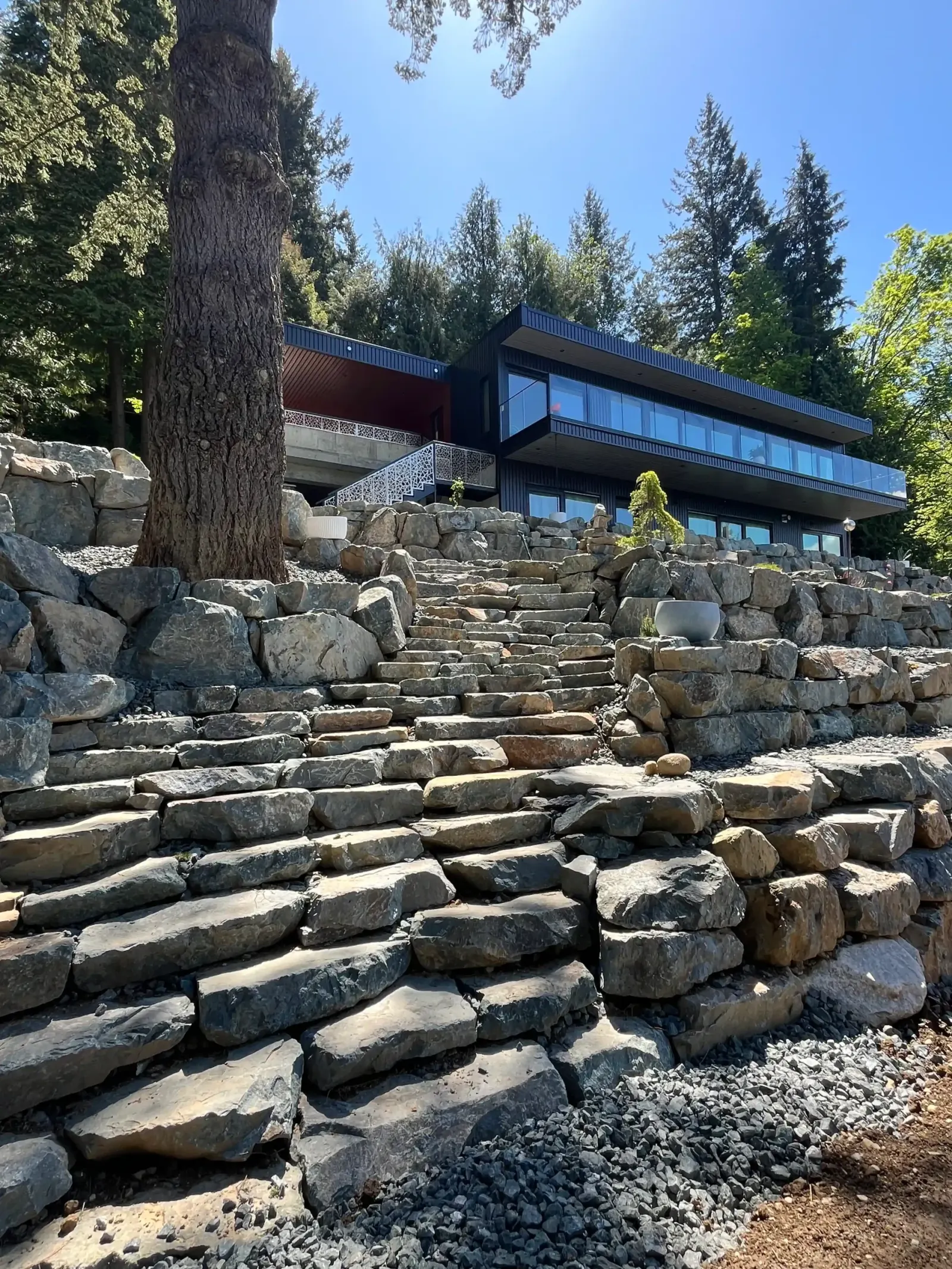
Natural stone works well for homeowners who want a more organic look — particularly in yards with existing natural landscaping or garden features. It’s heavier, more labour-intensive to install, but built right, it’s exceptional.

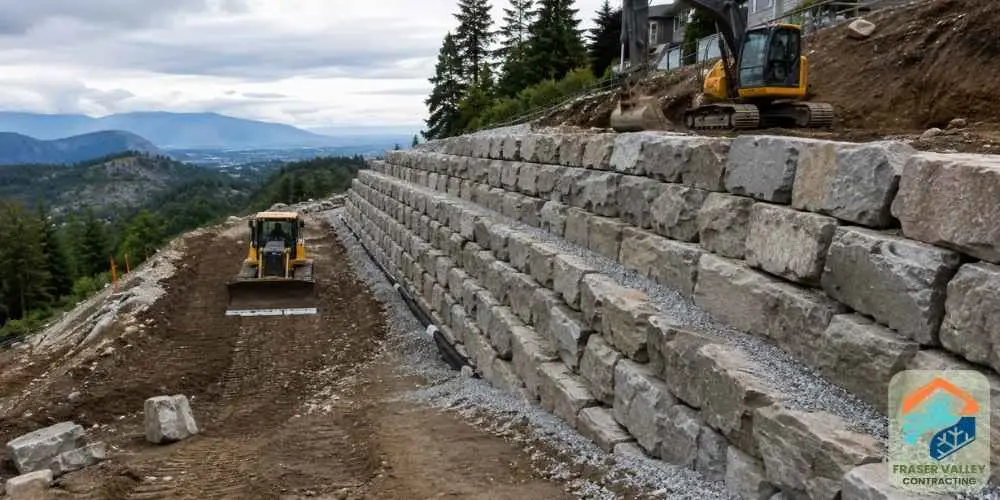
Poured concrete or concrete block is typically used for taller walls or situations that require engineered structural support. If your slope is significant or the wall will be near a structure, this is often where the conversation needs to go.

Timber and wood-framed walls have their place for lighter applications, but in the Fraser Valley’s wet climate, longevity becomes a real concern without proper treatment and drainage behind the wall.

The Part Most Homeowners Overlook: Drainage

Here’s what separates a retaining wall that holds for twenty years from one that starts to lean or crack within five: drainage behind the wall.

When water builds up in the soil behind a retaining wall, the pressure becomes enormous. Without proper drainage — typically crushed gravel backfill and perforated drainage pipe — that pressure transfers to the wall. Over time, that means movement, failure, or both.

Every retaining wall Fraser Valley Contracting builds includes a drainage assessment. The topography around Chilliwack, Agassiz, and Hope means this isn’t optional — it’s standard practice.

When Do You Actually Need One?

A few signs your yard might benefit from a retaining wall:

  • Soil is washing away or collecting at the base of a slope after rain
  • You have a usable flat area that’s undermined by erosion uphill from it
  • Your driveway or garden beds are starting to shift or settle
  • You want to terrace your yard to create more outdoor living space
  • A slope is making landscaping difficult to maintain

If any of these sound familiar, it’s worth getting an assessment done before the problem gets bigger.

What the Build Process Looks Like

For most residential retaining wall projects in the Fraser Valley, the process starts with a site visit to assess the slope, soil type, existing drainage, and what you want the space to become.

From there, we work with you on material selection and layout, handle the excavation and grading, install the drainage layer, and build the wall to spec. Depending on scope, most residential retaining walls can be completed within a week.

If you’re planning to add landscaping, a patio, or additional hardscaping features once the wall is in place, we can design the project with that end goal in mind from the start — so everything ties together cleanly.

Ready to Start Planning?

Retaining walls are one of those projects where doing it right the first time pays off for decades. If you’re in Chilliwack, Abbotsford, Agassiz, or the surrounding Fraser Valley area and you’re ready to talk through your project, our team is happy to walk your property and give you a clear picture of what’s involved.
Book a Free Lawn Consultation

More advice and guides

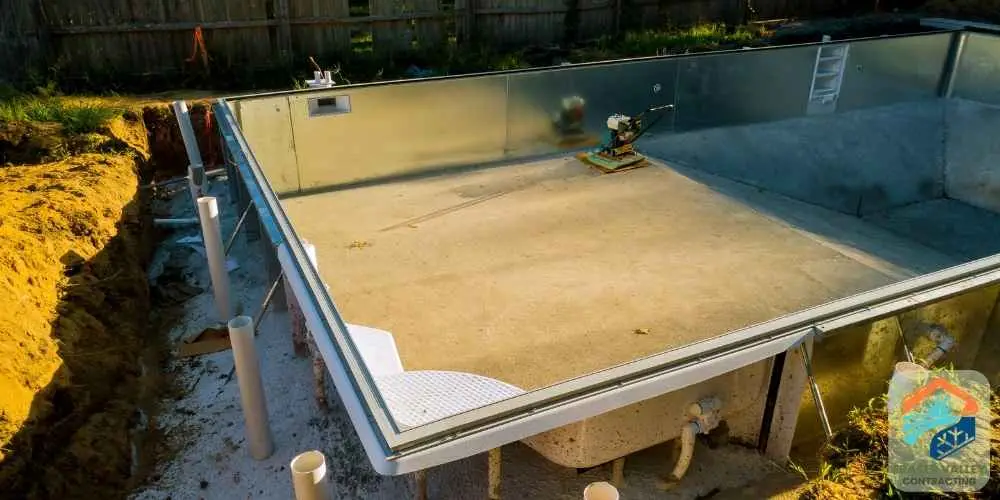
An in-ground pool being installed

In-Ground Pool Installation: Step-by-Step Process (What to Expect)

Adding an in-ground pool is one of the most exciting investments you can make for your home. It creates a space where family and friends gather, increases outdoor living...

Read the guide →
Large retaining wall on backside of Chilliwack mountain with excavators at work

The Complete Guide to Large Scale Retaining Walls: Excavation, Site Leveling & Construction

Whether you’re preparing land for a commercial development, creating more usable space on a sloped property, or protecting your investment from erosion, a large scale...

Read the guide →
Retaining wall vs Rock wall

Retaining Wall vs. Rock Wall: What’s the Difference?

If you’re planning a landscaping project, you’ve probably heard the terms retaining wall and rock wall used interchangeably. While they can sometimes refer to the same...

Read the guide →

Tell us what you are dealing with

Give us a call or fill out the form. We will visit your property within the week, take a look and give you a free estimate.

Call (604) 703-8315 Book a Visit