When heavy rain hits the Fraser Valley, poor drainage can quickly turn your yard into a muddy, waterlogged mess. Standing water doesn’t just look bad, it can damage your foundation, kill landscaping, and create long-term erosion issues. Proper grading is one of the most effective ways to protect your property and keep water flowing where it should.
In this guide, we’ll walk through how yard grading for drainage works, when it’s needed, and why professional grading makes a big difference.
What Does It Mean to Grade a Yard?
Grading is the process of shaping the slope of your land so water drains away from structures like your home, shop, or driveway. The goal is to move water away from buildings and toward safe drainage areas.
Without proper grading, water naturally settles in low spots, often near foundations, which can lead to costly repairs over time.
Signs Your Yard Needs Grading
Not every drainage issue is obvious right away. Here are some common signs your property may need regrading:
- Water pooling near your home after rain
- Soft, soggy lawn areas that never fully dry
- Soil erosion or exposed roots
- Basement moisture or leaks
- Cracking in driveways or walkways from water movement
If you’re noticing any of these, it’s likely your yard isn’t directing water effectively.
Step-by-Step: How Yard Grading Works
1. Assess the Current Slope
The first step is understanding how water currently flows across your property. This includes identifying:
- High and low points
- Natural drainage paths
- Problem areas where water collects
Laser levels or grading equipment are often used to ensure accuracy and longevity for the best drainage for your yard.
2. Establish the Proper Slope
A general rule is to slope the ground away from your home at a minimum of 2–5% (about 2–5 feet drop over 100 feet). Even a subtle slope can make a big difference in drainage.
The key is consistency, uneven grading can create new pooling issues.
3. Remove and Redistribute Soil
To reshape the yard, soil is either:
- Cut from high areas
- Filled into low areas
This process may involve excavation equipment, especially for larger properties or severe drainage problems. From small backyards to large-scale grading, we ensure the right equipment is used.
4. Compact and Stabilize the Ground
After reshaping, the soil is compacted to prevent settling over time. Loose soil can shift, undoing the grading work and recreating drainage issues.
In some cases, erosion control measures or slope stabilization may also be added to protect the finished grade.
5. Integrate Drainage Solutions (If Needed)
Grading alone may not solve every problem, especially in heavy rainfall areas like the Fraser Valley.
Additional solutions can include:
- French drains
- Shallow drainage channels
- Catch basins
- Downspout extensions
For situations that require it, complete stormwater and drainage systems can be installed for the environments that require more advanced water management techniques.
6. Finish with Landscaping
Once grading is complete, the yard is finished with:
- Topsoil placement
- Turf or hydroseeding
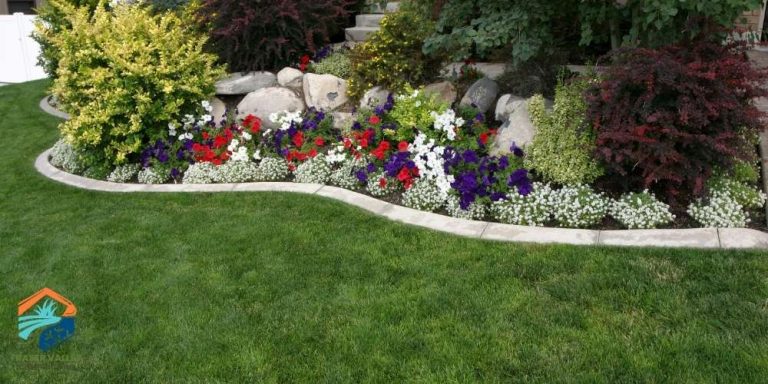
- Decorative rock or garden beds
This not only improves appearance but also helps stabilize the soil and prevent erosion.
DIY vs. Professional Grading
Small touch-ups can sometimes be handled by homeowners, but larger grading projects require precision and the right equipment.
DIY grading risks:
- Incorrect slope leading to worse drainage
- Soil settling over time
- Damage to underground utilities
- Missed opportunities for proper drainage systems
Professional grading benefits:
- Accurate slope and long-term performance
- Proper equipment for efficiency and safety
- Integration with drainage and landscaping
- Reduced risk of costly water damage
Why Proper Drainage Matters
Ignoring drainage issues doesn’t make them go away, it usually makes them worse.
Poor grading can lead to:
- Foundation damage
- Flooded basements or crawl spaces
- Landscape erosion
- Unsafe, muddy conditions
Investing in proper grading protects both your property and its long-term value.
Get Your Yard Working With the Weather, Not Against It
We offer professional site grading, excavation, and drainage solutions tailored to your property. Whether you’re dealing with standing water or planning a full landscape upgrade, our team has the equipment and experience to get the job done right.
If your yard isn’t draining the way it should, it may be time to take a closer look at your grade, and fix the problem before it leads to bigger issues.